
Caring for Yourself After a Mastectomy
- Understanding the First 48 Hours After Surgery
- Your First Week at Home: Setting Up for a Safe Recovery
- What to Expect Physically in the First 2–6 Weeks
- Emotional Healing After a Mastectomy
- Caring for Your Skin After a Mastectomy
- Nutrition and Hydration: Fueling Your Recovery
- Sleeping Comfortably After Mastectomy
- Clothing, Bras, and Comfort Wear
- Physical Therapy and Mobility
- Preparing for Radiation or Chemotherapy After Mastectomy
- Red Flags: When to Call Your Surgeon
- Emotional and Spiritual Support
- Setting Realistic Expectations for Yourself
- Moving Forward: Reclaiming Your Strength and Confidence
- Final Thoughts
A mastectomy is more than a surgical procedure—it is a profound physical and emotional milestone in a woman’s cancer journey.
Whether the surgery is part of treatment for breast cancer, a preventive step, or one phase of a larger treatment plan that may include chemotherapy or radiation therapy, recovery requires time, patience, knowledge, and support.
As a nurse, I’ve cared for many women during this stage of healing. Every patient brings her own story, fears, strengths, and questions. While no two recovery experiences are identical, there are predictable patterns, common challenges, and evidence-based strategies that can make the road smoother, safer, and more empowering.
This guide will walk you through what to expect after a mastectomy—physically, emotionally, and practically—and how to take excellent care of yourself in the weeks that follow.
Understanding the First 48 Hours After Surgery

The first two days after a mastectomy are the most controlled and supervised, typically spent in the hospital or surgical center.
Your care team monitors:
- Vital signs
- Surgical drains
- Incision sites
- Pain control
- Fluid balance
- Early mobility
Pain and Sensations
Expect a mix of soreness, pressure, numbness, or burning sensations.
These feelings are normal and often related to:
- Surgical trauma to tissues
- Nerve endings waking back up
- Tightness from surgical dressings
- Muscle manipulation when reconstruction is involved
Your care team may offer medications such as:
- Acetaminophen
- NSAIDs (if allowed)
- Nerve-pain medications
- Short-term opioids when needed
Staying ahead of pain is important. Controlled pain promotes better movement, breathing, and healing.
Surgical Drains
Most patients leave surgery with one or more drains to prevent fluid buildup.
Expect:
- Daily emptying
- Recording output volume
- Cleaning the insertion site
- Wearing drains for 7–14 days on average
Your First Week at Home: Setting Up for a Safe Recovery

Going home is a big step. Setting up your environment ahead of time can make recovery significantly easier.
Prepare a Recovery Zone
Choose a comfortable place with:
- Plenty of pillows
- Post-mastectomy pillows and seatbelt cushions
- Supportive backrests or wedge pillows
- Easy access to water, snacks, and medications
- A side table for essentials
Many women find sleeping in a recliner or semi-reclined position more comfortable during the first few weeks.
Movement Matters
Gentle walking is encouraged to reduce:
- Blood-clot risk
- Lung complications
- Stiffness
- Fatigue
Avoid:
- Lifting more than 5–10 pounds
- Reaching overhead
- Pushing or pulling motions
- High-intensity activity
- Driving until cleared by your surgeon
Drain Care and Showering
- Follow your surgeon’s instructions
- Use sponge baths if recommended
- Track medication schedules
- Inspect incisions daily
What to Expect Physically in the First 2–6 Weeks
Your body does remarkable work during this period.
Common experiences include:
- Tightness across the chest
- Reduced range of motion
- Numbness
- Tingling or electrical sensations
- Fatigue
- Tenderness at drain sites
- Difficulty sleeping comfortably
Scar Healing
Scars evolve gradually over several months.
Once healed and cleared by your surgeon, many women benefit from:
- Silicone sheets or gel
- Gentle scar massage
- Fragrance-free moisturizers
Swelling and Seromas
Mild swelling is common after drains are removed. Some fluid collections resolve on their own, while others require treatment.
Lymphedema: Know the Signs
Watch for:
- Swelling in the arm, hand, or chest
- Heaviness
- Redness or warmth
- Reduced flexibility
Emotional Healing After a Mastectomy
A mastectomy affects far more than the body.
Common emotions include:
- Grief
- Anxiety
- Relief
- Fear of recurrence
- Sadness
- Frustration
- Loneliness
All of these feelings are valid.
Body Image
For many women, losing a breast has a significant emotional impact.
Recommendations include:
- Have a trusted support person present
- Use soft lighting
- Allow yourself time
- Remember that healing changes how scars look over time
Mental Health Support
Many women benefit from:
- Oncology social workers
- Therapists and counselors
- Support groups
- Faith-based communities
- Private online support groups
Caring for Your Skin After a Mastectomy

The chest area is extremely sensitive after surgery.
During the first few weeks:
- Keep incisions clean and dry
- Avoid lotions or oils on incisions
- Wear soft fabrics
- Avoid friction
Once cleared by your surgeon, moisturizing may help support:
- Skin elasticity
- Scar healing
- Comfort with movement
Choose products that are:
- Fragrance-free
- Hypoallergenic
- Plant-based
- Designed for sensitive post-treatment skin
Nutrition and Hydration: Fueling Your Recovery

Healing requires adequate nutrition and hydration.
Aim for:
- Adequate protein intake
- Consistent hydration
- Colorful fruits and vegetables
- Healthy fats
- Small, frequent meals if needed
Limit processed foods, excessive sodium, sugary snacks, and alcohol unless approved by your physician.
Sleeping Comfortably After Mastectomy

Sleep can be challenging during recovery.
Helpful strategies include:
- Using a wedge pillow or recliner
- Sleeping on your back or non-surgical side
- Supporting your arm with a pillow
- Using a U-shaped pillow
- Wearing a soft post-surgical bra
Clothing, Bras, and Comfort Wear

Comfortable clothing can significantly improve recovery.
Avoid:
- Underwire bras
- Tight bands
- Rough fabrics
- Heavy elastics
After drains are removed, transition to supportive garments recommended by your care team.
Physical Therapy and Mobility

Regaining shoulder movement and strength is essential.
Early exercises often include:
- Hand squeezes
- Wrist and elbow bends
- Shoulder rolls
- Pendulum swings
Later exercises may include wall climbs, arm extensions, and chest stretches.
Preparing for Radiation or Chemotherapy After Mastectomy

If Radiation Is Planned
Your skin may become:
- Dry
- Red
- Tight
- Itchy
- Tender
Consistent moisturizing after incision healing can help support the skin barrier.
If Chemotherapy Is Planned
You may experience:
- Increased dryness
- Skin sensitivity
- Rashes
- Hand-foot syndrome
Red Flags: When to Call Your Surgeon

Contact your care team immediately if you experience:
- Fever over 100.4°F
- Rapid swelling
- Foul-smelling drainage
- Increasing redness or heat
- Uncontrolled pain
- Sudden shortness of breath
- Signs of blood clots
Emotional and Spiritual Support: You Do Not Have to Walk Alone

Healing after a mastectomy involves both body and spirit.
Helpful practices include:
- Journaling
- Prayer or meditation
- Time outdoors
- Connecting with survivors
- Counseling
- Accepting support from loved ones
Setting Realistic Expectations for Yourself

Recovery is rarely linear.
You may have:
- Good days
- Hard days
- Emotional days
- Fatigued days
- Unexpectedly strong days
Give yourself grace, patience, and permission to rest.
Moving Forward: Reclaiming Your Strength and Confidence

As healing progresses, many women discover renewed resilience, gratitude, and purpose.
You may find yourself feeling:
- Stronger
- More grounded
- Empowered
- Connected to a community of survivors
Final Thoughts: You Are More Than This Moment
A mastectomy changes your body, but it does not diminish your worth, beauty, or identity.
You are still whole.
You are still you.
You are still deeply loved and worthy of love.
Healing takes time, but you will get there—one day, one step, one breath at a time.
You are not alone on this journey. You are stronger than you know.
Disclaimer
This information is for educational purposes only and does not replace professional medical advice. Always follow the guidance of your oncology nurse, radiation oncologist, surgeon, and care team.
Read more
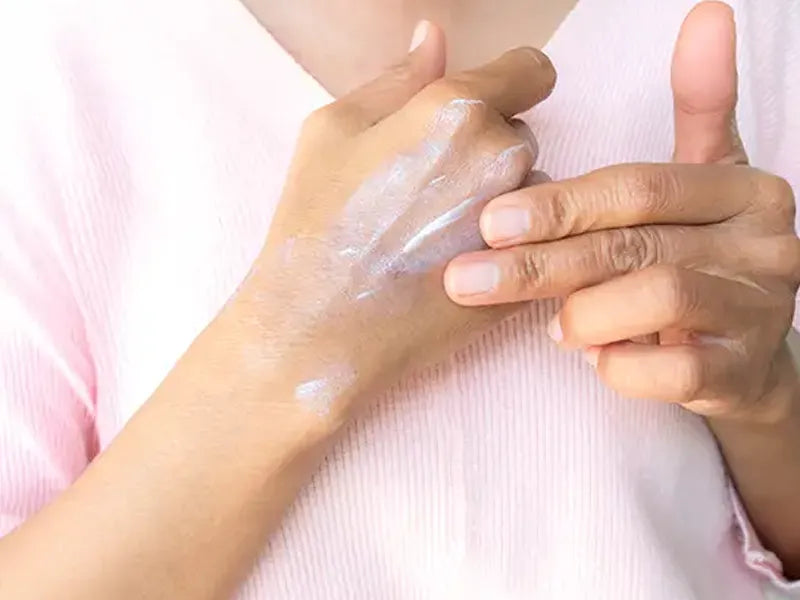

Radiation therapy can irritate delicate skin, causing redness, dryness, and discomfort. This guide offers simple steps and soothing botanical support—using Dermavitality’s Radiation Relief Spray an...

Hair loss is one of the most visible and emotional parts of chemotherapy. Understanding why it happens—and how to care for your scalp throughout the process—can bring comfort and a sense of control...