
Side Effects of Chemotherapy on Skin: A Nurse’s Guide to Comfort & Care
- Why Chemotherapy Affects the Skin
- Common Chemotherapy Skin Side Effects
- Skin Side Effects by Cancer Type & Treatment Pattern
- Fragrance-Free vs Therapeutic Essential Oils
- Simple Daily Skin Care Routine During Chemotherapy
- When to Call Your Oncology Team Immediately
- Supportive Skin Care Resources
- Frequently Asked Questions
- About the Author
Chemotherapy and modern cancer treatments can affect far more than cancer cells.
Many patients experience changes to their skin, scalp, nails, and nerve sensations that can impact comfort, sleep, mobility, and quality of life.
This nurse-written guide explains the most common chemotherapy-related skin side effects, how they differ by cancer type and treatment approach, and how gentle, fragrance-free, ingredient-aware skin care can help support comfort during treatment.
This article is for education and supportive care only. Always report new or worsening skin symptoms to your oncology team.
Why Chemotherapy Affects the Skin

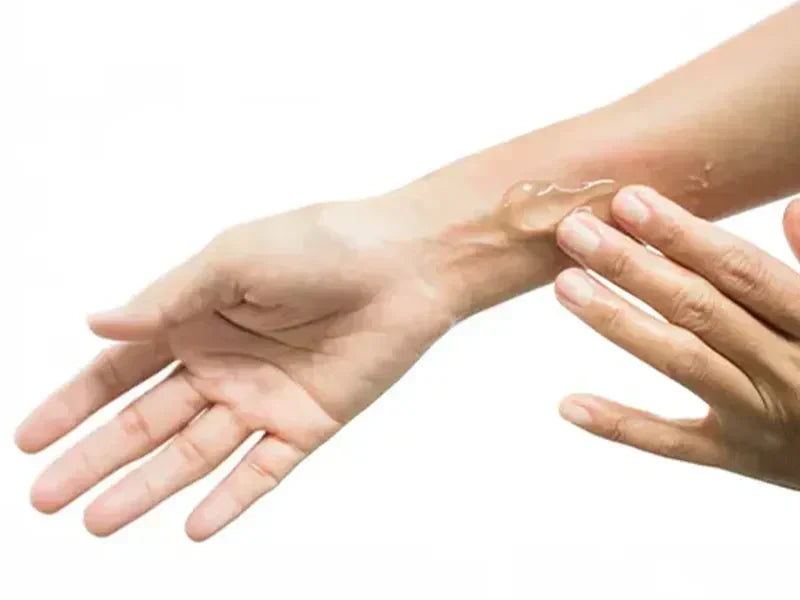
Chemotherapy, targeted therapy, and immunotherapy affect rapidly dividing cells. Skin cells, hair follicles, and nail beds regenerate quickly, which makes them more vulnerable to treatment effects.
Cancer treatments may:
- Weaken the skin barrier
- Increase inflammation
- Alter immune responses
- Increase sensitivity to friction, heat, and sunlight
The result can be dryness, rashes, peeling, pain, and changes in sensation.
Common Chemotherapy Skin Side Effects

Dry, Fragile, or Peeling Skin (Xerosis)
What patients experience: Tightness after showering, flaking, itching without rash, cracked knuckles or heels, and skin that feels “paper thin.”
Oncology nursing tips:
- Bathe with lukewarm water only
- Use gentle, non-foaming cleansers
- Moisturize within 3 minutes of bathing
- Reapply moisturizer to hands after washing
Ingredient support nurses look for: Aloe vera, botanical hyaluronic acid, glycerin, shea butter, jojoba oil, calendula, green tea, and panthenol help support hydration and the skin barrier without overstimulation.
Hand-Foot Syndrome (Palmar-Plantar Erythrodysesthesia)
What patients experience: Tingling, redness, swelling, burning, peeling, or cracking on palms and soles. Walking or gripping objects may become painful.
Oncology nursing tips:
- Treat early—do not wait for peeling
- Avoid heat, friction, and tight footwear
- Use thick barrier creams multiple times daily
- Cotton gloves or socks at night can help reduce friction
Comfort-support ingredients: Aloe vera, shea butter, safflower oil, oat oil, calendula, and chamomile are commonly used to soften skin and calm irritation when applied consistently.
Rashes From Chemotherapy, Targeted Therapy, and Immunotherapy

Rashes vary depending on treatment type.
Chemotherapy-related irritation: Often appears as red, itchy, sensitive patches, especially where skin is dry or irritated.
Targeted therapy rashes, such as EGFR inhibitors: May resemble acne but behave differently and should not be treated with traditional acne products.
Immunotherapy-related rashes: Can be immune-mediated and may worsen quickly if not addressed early.
Oncology nursing tips:
- Avoid scrubs, exfoliants, or harsh actives
- Moisturize even when rash is present unless instructed otherwise
- Report rapidly spreading, painful, or blistering rashes immediately
Hair Loss, Dry Scalp, and Scalp Pain

What patients experience: Tenderness, tightness, itching, flaking, or burning of the scalp—sometimes even before hair loss occurs.
Oncology nursing tips:
- Wash less often with lukewarm water
- Avoid scrubbing or aggressive brushing
- Moisturize the scalp gently
- Pat dry, never rub
Scalp-supportive ingredients: Aloe vera, oat oil, oatstraw extract, calendula, chamomile, and cucumber extract help support comfort on sensitive or bald scalps.
Nail and Cuticle Changes

What patients experience: Brittle nails, ridging, discoloration, nail lifting, or painful cuticles that can increase infection risk.
Oncology nursing tips:
- Keep nails short
- Moisturize cuticles daily
- Avoid gel or acrylic nails during treatment
- Wear gloves for household chores
Neuropathy-Related Sensations Affecting Skin Comfort

Neuropathy is not a skin disease, but nerve changes can cause burning, tingling, or sensitivity in hands and feet that affects daily comfort.
Oncology nursing tips:
- Report symptoms early
- Protect hands and feet from temperature extremes
- Use sensory-support products only on intact skin
Sensory-support ingredients: Menthol, camphor, ginger, arnica, and peppermint are used for cooling or warming sensations and should never be applied to broken skin.
Skin Side Effects by Cancer Type & Treatment Pattern
Colon Cancer
- Hand-foot syndrome, common with certain regimens
- Targeted-therapy rashes
- Nail and dryness changes
Breast Cancer
- Scalp sensitivity and hair loss
- Nail fragility
- Dryness and irritation
Leukemia and Hematologic Cancers
- Fragile skin
- Higher infection risk with broken skin
- Importance of early reporting
Immunotherapy, Across Cancer Types
- Itching and rashes that may escalate quickly
- Early communication with oncology teams is essential
Fragrance-Free vs Therapeutic Essential Oils: A Nursing Perspective

When oncology teams recommend “fragrance-free,” they are referring to synthetic fragrances added only for scent. These commonly cause irritation in compromised skin.
Therapeutic essential oils are different when:
- Used in very low concentrations
- Clearly listed on the ingredient label
- Included for a functional purpose, such as calming, soothing, or sensory support
For highly reactive patients, unscented options are often preferred. Choice and tolerance matter during treatment.
Simple Daily Skin Care Routine During Chemotherapy

Morning
- Gentle cleanse or rinse
- Apply moisturizer
- Sun protection as tolerated
Evening
- Lukewarm shower
- Full-body moisturization
- Thicker barrier care on hands and feet
All Day
- Reapply after washing
- Avoid friction and heat triggers
When to Call Your Oncology Team Immediately

- Blistering or peeling skin
- Fever with rash
- Rapidly spreading redness
- Open cracks with pain or drainage
- Nail swelling or infection
How Dermavitality Fits Into Supportive Care

Dermavitality products are cosmetic comfort-support products, not medications. They support hydration, barrier care, and comfort alongside medical treatment.
Supportive Skin Care Resources
Patients experiencing chemotherapy-related skin changes often benefit from simple, fragrance-free comfort care designed to support the skin barrier.
- Body hydration support for chemotherapy-related dryness
- Comfort care for radiation-affected or highly sensitive skin
- Barrier support for palms and soles affected by hand-foot syndrome
- Scalp comfort support during hair loss or scalp sensitivity
- Sensory comfort support for chemotherapy-related neuropathy
These products are intended to support comfort and skin barrier care and should be used alongside guidance from your oncology team.
Frequently Asked Questions
Can chemo cause itching without a rash? >
Yes. Skin barrier disruption can cause itching even without visible rash.
Is immunotherapy rash different from chemotherapy rash? >
Yes. It is immune-mediated and should be reported early.
Why does my scalp hurt during hair loss? >
Inflammation and dryness around hair follicles can cause tenderness.
About the Author

Mark Brown, RN
Oncology Nurse | Founder, Dermavitality
Mark Brown, RN, is an oncology nurse with years of experience supporting patients through chemotherapy and radiation. His work focuses on gentle, supportive skin care for individuals experiencing treatment-related side effects.
Clinical & Professional References
- American Society of Clinical Oncology (ASCO)
- Oncology Nursing Society (ONS)
- Memorial Sloan Kettering Cancer Center (MSKCC)
- MD Anderson Cancer Center
- Lacouture ME et al., Journal of the American Academy of Dermatology
- Oncology Nursing Forum – Dermatologic Toxicity Management
- National Cancer Institute – Chemotherapy Skin Changes
Disclaimer
This content is for educational and supportive care purposes only and does not diagnose, treat, cure, or prevent disease. Dermavitality products are cosmetic comfort-support products, not medications or medical devices, and should be used only as an adjunct to medical care. Always consult your oncology team before starting new skin care during cancer treatment. Report severe, rapidly worsening, blistering, or painful skin changes immediately.
Read more


When cancer treatment ends, many survivors are left asking, “Now what?” Cancer survivorship is the lifelong phase of healing after treatment, one that deserves compassion, education, and ongoing ca...

Cancer isn’t only about treatment, it’s also about the quiet loneliness many patients face. When friends grow distant or conversations fade, the emotional impact can be just as heavy as the physica...