
Exercise During Cancer Treatment: What Science Says About Strength, Recovery, and Healing
- Can You Exercise During Cancer Treatment?
- What Research Says About Exercise and Cancer Recovery
- Best Types of Exercise During Chemotherapy and Radiation
- How to Start Exercising Safely During Cancer Treatment
- Supporting the Body Beyond Exercise
- Exercise as Empowerment During the Cancer Journey
- Watch the Full Expert Discussion
- Frequently Asked Questions
- About the Author
Cancer treatment places enormous stress on the body — physically, emotionally, and mentally. Many patients ask the same question:
“Is it safe to exercise during cancer treatment?”
According to leading oncology research, the answer is often yes, and it can be incredibly beneficial when done correctly.
In a powerful expert discussion, exercise oncology researcher Dr. Kerry Courneya, PhD, explains how movement plays a meaningful role in cancer care, recovery, and survivorship.
Can You Exercise During Cancer Treatment?

For many years, rest was the default recommendation during chemotherapy and radiation. Today, science tells a different story.
Benefits may include:
- Improved physical strength and endurance
- Reduced treatment-related fatigue
- Better mood and emotional well-being
- Improved ability to tolerate treatment
- Support for long-term recovery
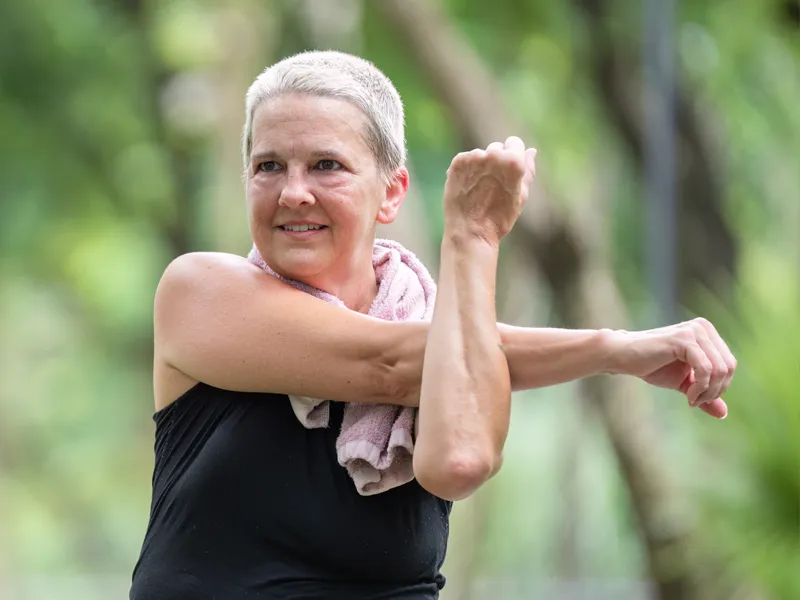
Importantly, exercise during cancer treatment does not mean intense workouts or pushing through exhaustion. It means intentional, gentle movement tailored to the individual.
What Research Says About Exercise and Cancer Recovery
In the podcast, Dr. Courneya explains that physical activity is one of the most studied lifestyle interventions in oncology.
Large studies suggest that regular exercise may:
- Improve quality of life during treatment
- Help preserve muscle mass and physical function
- Support immune and metabolic health
- Potentially reduce the risk of recurrence for certain cancers, including breast and colon cancer
Some research estimates that up to 40% of cancers may be influenced by lifestyle factors, including physical activity, nutrition, and smoking status.
While exercise is not a cure, it is increasingly viewed as a supportive therapy alongside conventional treatment.
Best Types of Exercise During Chemotherapy and Radiation

Not all exercise is the same, and during cancer treatment, less is often more.
Dr. Courneya emphasizes that the most effective programs prioritize consistency, safety, and personalization.
Commonly recommended activities include:
- Walking at a comfortable pace
- Gentle strength training with light resistance
- Stretching or mobility exercises
- Balance and posture work
- Low-impact activities like stationary cycling or water exercise
The goal is not performance. The goal is maintaining function, circulation, and confidence in the body.
How to Start Exercising Safely During Cancer Treatment

Before beginning any exercise routine, patients should always:
- Talk with their oncology team
- Listen closely to daily energy levels
- Stop if pain, dizziness, or unusual symptoms occur
Starting points may be as simple as:
- 5–10 minutes of walking
- Gentle stretching once per day
- Light movement on “good days,” rest on harder days
Progress should be gradual and flexible. Your body is already doing hard work.
Supporting the Body Beyond Exercise

Movement is one part of supporting the body through cancer treatment. Skin, nerves, and connective tissue are also under stress — especially during chemotherapy and radiation.
Many patients experience:
- Radiation-related skin irritation
- Chemotherapy-related dryness or sensitivity
- Hand-foot discomfort
- Scalp and hair changes
At Dermavitality, education and product development are guided by oncology nursing experience and real patient needs. Our goal is to help patients feel supported — not overwhelmed — throughout treatment and recovery.
Exercise as Empowerment During the Cancer Journey

Cancer can make people feel disconnected from their bodies. Gentle, intentional movement helps many patients rebuild trust in their strength, even during treatment.
As Dr. Courneya explains, exercise is not about control — it’s about participation in healing.
Combined with compassionate medical care, supportive skincare, nutrition, and rest, movement becomes another way to care for yourself during a challenging season.
Watch the Full Expert Discussion
To learn more about the science behind exercise and cancer, watch the full conversation with Dr. Kerry Courneya:
Frequently Asked Questions
Is it safe to exercise during cancer treatment?
For many people, gentle exercise during cancer treatment is safe and beneficial when approved by their healthcare team. Research suggests that light activities such as walking, stretching, or low-impact strength exercises may help reduce fatigue, support physical function, and improve overall well-being during treatment.
What types of exercise are best during chemotherapy or radiation therapy?
During chemotherapy or radiation therapy, low-impact and flexible forms of exercise are often recommended. These may include walking, gentle strength training, stretching, balance exercises, or light cycling. Exercise should be adapted to daily energy levels and stopped if discomfort or unusual symptoms occur.
Can exercise help with cancer recovery after treatment?
Research shows that regular physical activity after cancer treatment may help support recovery by improving strength, endurance, mood, and quality of life. Many survivors find that gradual, consistent movement helps them rebuild confidence in their bodies during the healing process.
About the Author

Mark Brown, RN
Oncology Nurse | Founder, Dermavitality
Mark Brown, RN, is an oncology nurse with years of experience supporting patients through chemotherapy and radiation. His work focuses on gentle, supportive skin care for individuals experiencing treatment-related side effects.
Disclaimer
This content is for informational purposes only and is not intended as a substitute for professional medical advice, diagnosis, or treatment. Always consult your physician, advanced practice nurse, or other qualified healthcare provider with any questions you may have regarding a medical condition or treatment.
Read more


When cancer treatment ends, many survivors are left asking, “Now what?” Cancer survivorship is the lifelong phase of healing after treatment, one that deserves compassion, education, and ongoing ca...
When cancer treatment ends, many survivors are left asking, “Now what?” Cancer survivorship is the lifelong phase of healing after treatment, one that deserves compassion, education, and ongoing ca...