
FREE SHIPPING ON ORDERS OVER $50

Shopping Cart

Your cart is empty

Continue Shopping
    Skin care during Chemotherapy and other treatments

    Comprehensive Skin Support for Chemotherapy
    and Radiation Patients

    Skin care during Chemotherapy
    and other treatments

    Sometimes cancer and its treatment can cause skin issues. While many changes are cosmetic, others may require attention, such as rashes, dry or itchy skin, color changes, or extreme sensitivity to light. Some skin problems improve after treatment ends, while others may persist. Practicing proper skin care during chemotherapy and using the right chemotherapy skin care products can help soothe irritation, protect sensitive skin, and support faster recovery.

    What types of treatments cause skin issues?

    Many types of chemotherapy, immunotherapy, targeted therapy, and stem cell transplant may cause side effects that lead to skin issues.

    What are common skin changes during treatment?
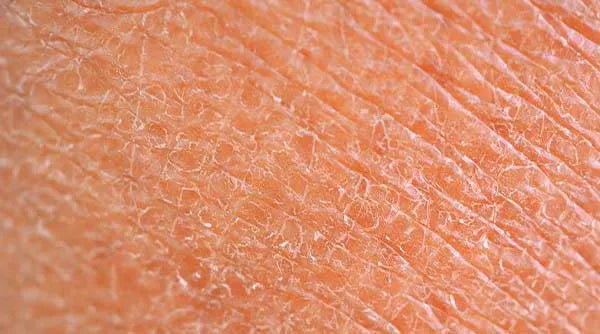
    dry skin

    Dry Skin

    During treatment skin can become flaky, red, and sometimes painful. It’s often caused by not having enough oil and water in the layers of the skin. Common causes of dry skin include dehydration, heat, cold, poor nutrition, and side effects of treatment.

    Itchy Skin

    Some treatments can cause Itching. Common causes of itching in people with cancer include dry skin, allergies, side effects of medicines, and cancer treatment. Other illnesses and certain kinds of cancer can also cause itching. Some patients experience a persistent itch in response to treatment, including chemotherapy, radiation therapy, targeted therapy, and immunotherapy. Severely itchy skin may make you restless and anxious. By continually scratching, you may also cause sores that make you vulnerable to infections. Using soothing products like a radiation burn cream can help calm irritation, protect sensitive skin, and support healing during and after treatment. Sometimes, the chemotherapies might result in painful conditions like hand-foot syndrome cream associated with chemotherapies, characterized by reddening and soreness of the palm and soles. Selecting the best lotion for chemo skin can also help restore your skin's moisture and provide gentle daily hydration to sensitive skin.


    itchy-skin.webp__PID:6ebdc433-4f96-4b96-a9a0-8b57cfee68e2

    Dermavitality natural organic paraben free skin lotions and creams have natural essential oils and botanicals added for the therapeutic benefits. Many of these items can also be part of a thoughtful Chemo care package, providing essential support and comfort during treatment.

    Best Lotion/Cream for Hand-Foot Syndrome- Dermavitality  Dermavitality
    Hand Foot Cream for Chemo Patients - Dermavitality
    Hand Foot Cream for Chemo Patients - Dermavitality
    Hand Foot Cream for Chemo Patients - Dermavitality
    Hand Foot Cream for Chemo Patients - Dermavitality
    Hand Foot Cream for Chemo Patients - Dermavitality
    Best Lotion/Cream for Hand-Foot Syndrome- Dermavitality  Dermavitality
    Hand Foot Cream for Chemo Patients - Dermavitality
    Hand Foot Cream for Chemo Patients - Dermavitality
    Hand Foot Cream for Chemo Patients - Dermavitality
    Hand Foot Cream for Chemo Patients - Dermavitality
    Hand Foot Cream for Chemo Patients - Dermavitality

    Hand-Foot Syndrome Cream for Chemo-Related Skin Problems

    $28.95

    Formulated with bergamot essential oil and soothing botanicals like calendula and oat oil, this ultra-moisturizing formula helps calm irritated, itchy skin.It deeply hydrates dry, red, peeling, and cracked skin on the hands and feet, supporting skin comfort when it’s needed most.Many people use it as part of their daily skincare routine to help manage dryness and sensitivity associated with hand-foot syndrome, a common side effect of certain chemotherapy treatments.

    Lotion for Chemo Patients - Dermavitality
    Best Lotion for Chemo Skin
    Dermavitality Oncology Body Lotion recommended by oncology professionals, featuring Oncology Nurse Mark Brown RN. Moisturizing and relieving body lotion for sensitive skin, daily hydration support, plant-based ingredients, and skincare during cancer treatment.
    Dermavitality Oncology Body Lotion created by Oncology Nurse Mark Brown and breast cancer survivor Lesley Nygaard. Plant-based moisturizer for sensitive skin, providing hydration and comfort during and after chemotherapy and radiation treatment.
    Oncology Body Lotion by Dermavitality designed for chemotherapy-related dryness, sensitive skin, itching, and daily hydration. Plant-based moisturizing lotion that helps support skin barrier comfort and healthy-looking skin during treatment.
    Oncology Body Lotion by Dermavitality with a three-step hydration, comfort, and skin barrier support formula. Contains aloe vera, botanical hyaluronic acid, calendula, oat oil, sunflower oil, and vitamin B5 for dry, sensitive skin during cancer treatment.
    Dermavitality Oncology Body Lotion helping moisturize dry, sensitive skin during chemotherapy treatment. Lightweight daily lotion formulated to soothe discomfort, support hydration, and provide gentle skincare for oncology patients.
    Oncology Body Lotion by Dermavitality featuring skin barrier support technology. Moisturizing lotion designed to help reduce dryness, restore comfort, support skin recovery, and maintain hydration for sensitive skin during cancer treatment.
    Dermavitality Oncology Body Lotion with rich, fast-absorbing hydration for sensitive skin. Lightweight moisturizing formula spreads easily, absorbs quickly without greasy residue, and leaves skin soft, smooth, and comfortable during cancer treatment and recovery.
    Dermavitality Oncology Body Lotion provides daily hydration and sensitive skin support before, during, and after cancer treatment. Plant-based moisturizer designed to nourish skin during chemotherapy, support recovery, and promote long-term skin comfort.
    Lotion for Chemo Patients - Dermavitality
    Lotion for Chemo Patients - Dermavitality
    Best Lotion for Chemo Skin
    Dermavitality Oncology Body Lotion recommended by oncology professionals, featuring Oncology Nurse Mark Brown RN. Moisturizing and relieving body lotion for sensitive skin, daily hydration support, plant-based ingredients, and skincare during cancer treatment.
    Dermavitality Oncology Body Lotion created by Oncology Nurse Mark Brown and breast cancer survivor Lesley Nygaard. Plant-based moisturizer for sensitive skin, providing hydration and comfort during and after chemotherapy and radiation treatment.
    Oncology Body Lotion by Dermavitality designed for chemotherapy-related dryness, sensitive skin, itching, and daily hydration. Plant-based moisturizing lotion that helps support skin barrier comfort and healthy-looking skin during treatment.
    Oncology Body Lotion by Dermavitality with a three-step hydration, comfort, and skin barrier support formula. Contains aloe vera, botanical hyaluronic acid, calendula, oat oil, sunflower oil, and vitamin B5 for dry, sensitive skin during cancer treatment.
    Dermavitality Oncology Body Lotion helping moisturize dry, sensitive skin during chemotherapy treatment. Lightweight daily lotion formulated to soothe discomfort, support hydration, and provide gentle skincare for oncology patients.
    Oncology Body Lotion by Dermavitality featuring skin barrier support technology. Moisturizing lotion designed to help reduce dryness, restore comfort, support skin recovery, and maintain hydration for sensitive skin during cancer treatment.
    Dermavitality Oncology Body Lotion with rich, fast-absorbing hydration for sensitive skin. Lightweight moisturizing formula spreads easily, absorbs quickly without greasy residue, and leaves skin soft, smooth, and comfortable during cancer treatment and recovery.
    Dermavitality Oncology Body Lotion provides daily hydration and sensitive skin support before, during, and after cancer treatment. Plant-based moisturizer designed to nourish skin during chemotherapy, support recovery, and promote long-term skin comfort.
    Lotion for Chemo Patients - Dermavitality

    Best Lotion for Chemo Skin

    $28.95

    Formulated with organic aloe vera, calendula, shea butter, oat oil, and botanical hyaluronic acid, this deeply nourishing body lotion helps hydrate and comfort stressed, sensitive skin during radiation or chemotherapy. The gentle, plant-based formula supports skin prone to dryness and sensitivity, helping soothe itching, flaking, irritation, and visible redness while promoting overall skin comfort as part of a daily care routine.

    Radiation Burn Cream for Radiation Therapy Patients - Dermavitality
    Radiation Burn Cream
    Radiation Burn Cream
    natural remedies for radiation burns
    Radiation Burn Cream
    Radiation Burn Cream
    Radiation Burn Cream for Radiation Therapy Patients - Dermavitality
    Radiation Burn Cream
    Radiation Burn Cream
    Radiation Burn Cream for Radiation Therapy Patients - Dermavitality
    Radiation Burn Cream
    Radiation Burn Cream
    natural remedies for radiation burns
    Radiation Burn Cream
    Radiation Burn Cream
    Radiation Burn Cream for Radiation Therapy Patients - Dermavitality
    Radiation Burn Cream
    Radiation Burn Cream

    Radiation Burn Cream

    $28.95

    Dermavitality Radiation Burn Cream is trusted by oncology nurses and radiation therapy patients to soothe, hydrate, and protect sensitive skin. This gentle plant-based formula helps relieve painful radiation burns while supporting skin healing during treatment. 

    your day-to-day routine.webp__PID:f2f1d55f-4ddf-48ab-8359-189c7541154f

    In your day-to-day routine:

    • Keep your home well ventilated and the temperature set to a cool 60° to 70° F to avoid sweating.
    • Wear loose-fitting soft clothes that won’t irritate your skin. Consider not only their softness but also their breathability, moisture-wicking properties, and how they feel against sensitive skin. Wear clothes with natural fabrics like 100% cotton underwear or bamboo tops which helps to minimize irritation and discomfort during chemotherapy. Drink plenty of water and other fluids.
    • Get enough sleep. If the itch keeps you up at night, ask your care team or your pharmacist about whether you should take antihistamines.

    Tips to help you avoid scratching your skin

    • Apply cool, wet packs to the itchy areas.
    • Keep your nails clean and short to reduce damage to your skin when you can’t help but scratch.
    • If you find yourself scratching without noticing, consider wearing soft gloves.
    • Instead of scratching the itch, try rubbing, vibration or pressure to avoid breaking the skin.
    • Get your mind off the itch by reading, watching TV, listening to music, or engaging in social activities.
    • Take anti-itch medications as directed.
    • Ask your care team for more tips and advice. Your doctor may also be able to prescribe medications and recommend over-the-counter remedies.
    • If you experience these other signs and symptoms that may come with treatment-related itch, contact your care team.

    avoid scratching your skin.webp__PID:c0239841-4716-457a-a007-eef56d30fa34
    skin-rash.webp__PID:7f5243a6-6dbd-4e2c-b210-e663e0f6a0c9

    Skin Rash

    A skin rash is a common side effect of certain types of cancer treatments. Rashes usually develop within a few weeks of receiving the treatment but can develop at any time during your treatment. “Chemo rash” simply refers to the various types of rashes that may develop in response to cancer treatment. In fact, not only chemotherapy, but also targeted therapy, immunotherapy, radiation therapy and bone marrow transplant may cause a rash. It tends to look like acne, and in some cases, it’s a sign that your treatment is working.

    WHAT HERBS ARE BEST FOR SOOTHING IRRITATED SKIN?

    Calendula

    calendula oil

    Calendula also has astringent, anti-inflammatory properties that make it excellent for soothing skin irritations and burns. It’s also full of antioxidants which help protect the skin from oxidative damage.

    Oats oil (Avena sativa)

    oats oil

    Oat oil has powerful benefits for irritated skin. They’re probably most known for their ability to calm itchy skin, but they’re also great for dry, sensitive skin. Oats are also full of protein, vitamin E, antioxidants, and anti-inflammatory properties.

    Chamomile

    chamomile oil

    Chamomile is soothing to the skin when applied topically. Rich in anti-inflammatory plant compounds, this herb can help with many common skin conditions like eczema and rosacea. It’s also high in antioxidants and is great for repairing and restoring skin barrier function to help skin retain moisture.

    Marshmallow root

    Marshmallow root

    Marshmallow root contains compounds that have “mucilage,” which is a slippery substance that helps soothe skin and seal the skin barrier. Studies show that marshmallow root can be an effective treatment for eczema and dermatitis.

    Aloe Vera
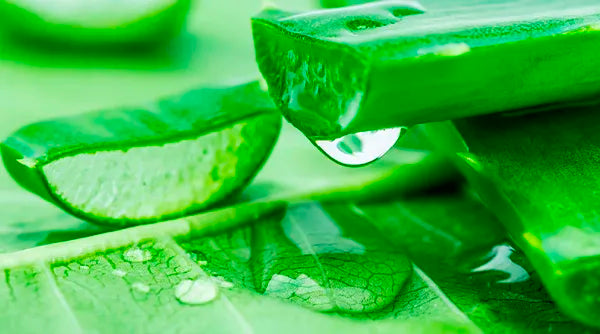
    Aloe vera

    Aloe vera is a top choice to cool and calm dry, irritated skin. The jelly-like insides of this desert plant have amazing anti-inflammatory and healing properties and also act as a humectant and emollient to hydrate your skin.

    Chemotherapy and Hair Loss

    Hair Loss during chemotherapy 

    Some patients do not experience any of these symptoms but many experience things such as:

    • Itchy scalp
    • Tenderness, pain, or soreness on the scalp
    • Cradle cap (crusty or oily scaly patches) or dry, flaky scalp
    • Redness
    • The scalp feeling warm to the touch
    • Rashes in small clusters
    • Sore bumps known as folliculitis (inflammation of the hair follicles)

    Dermavitality formulated a natural and organic formulas to help with dry itchy scalp.

    hair loss during chemo

    Photosensitivity related to cancer treatments

    Several treatments, including some types of chemotherapy, radiation therapy and stem cell transplant, may make your skin more sensitive to light. You will need additional protection from the sun to prevent sunburn when you are outdoors.

    • Wear long sleeves, long pants and a wide-brimmed hat to protect your skin from the sun, especially from 10 am to 4 pm.

    • Use a broad-spectrum sunscreen (to protect against both UVA and UVB rays) of at least SPF 15 generously and reapply at least every two hours.