
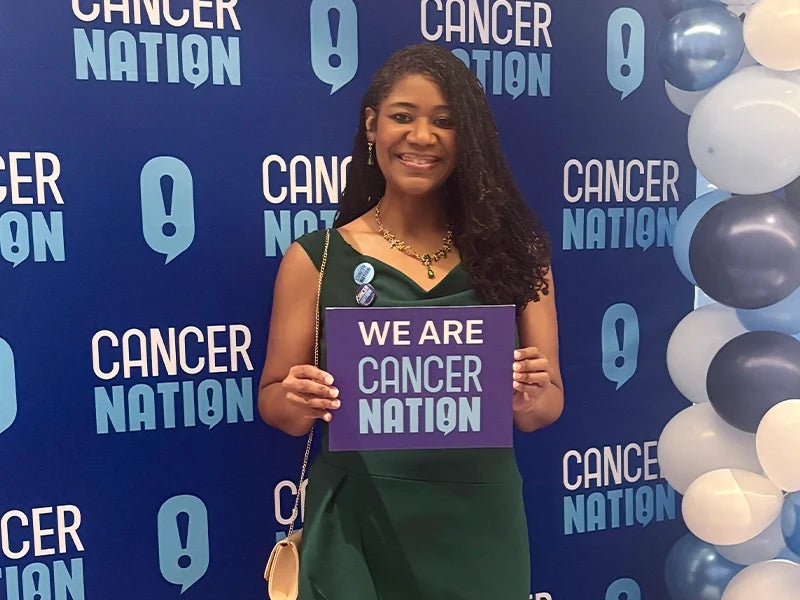

A cancer diagnosis can leave you feeling overwhelmed, vulnerable, and uncertain about what comes next. Suddenly, you're expected to make complex medical decisions...


The American Cancer Society says most chemo drugs take at least 48 hours for the body to break down and clear, though some pass faster...
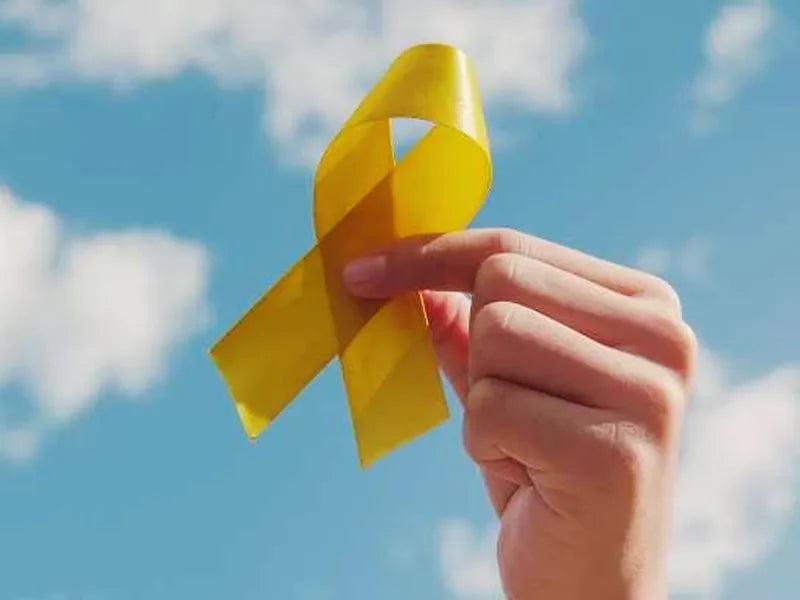
In cancer awareness, the yellow ribbon stands for sarcoma, a group of cancers that develop in bones or connective tissues, and for bone cancer.

A thoughtful cancer care package holds small, practical comforts: soft socks, unscented lip balm, easy snacks, a cozy layer...

Oncology nurses most often recommend lukewarm washing with a mild, fragrance-free cleanser, patting skin dry, and using a gentle...
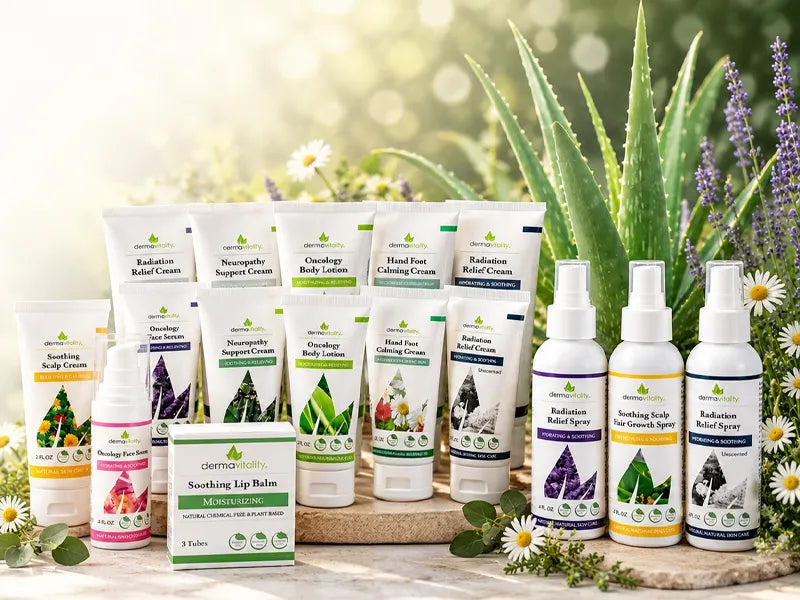
Choosing the right skincare brand during cancer treatment means looking past marketing claims to focus on fragrance-free formulas, ingredient transparency, and products designed for specific side e...
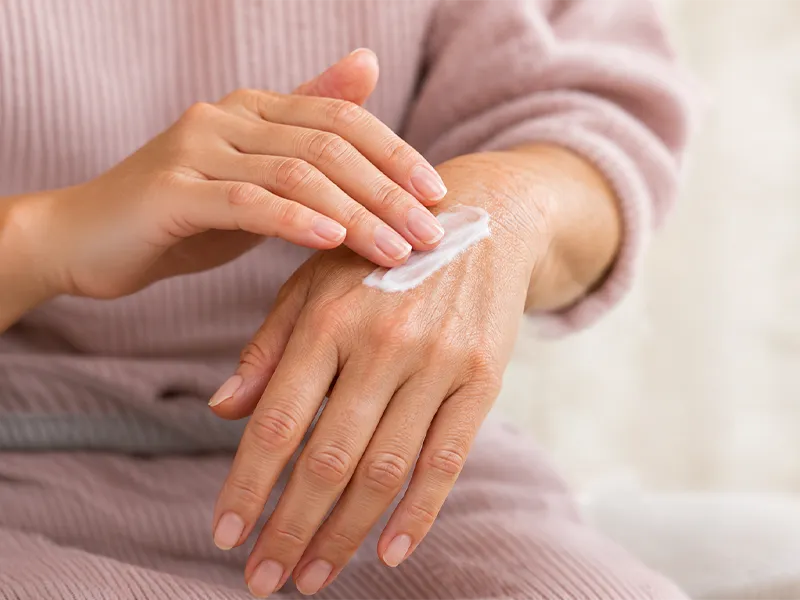
Hand-foot syndrome and treatment-related skin sensitivity can make daily tasks like washing dishes or gardening surprisingly uncomfortable during cancer treatment...
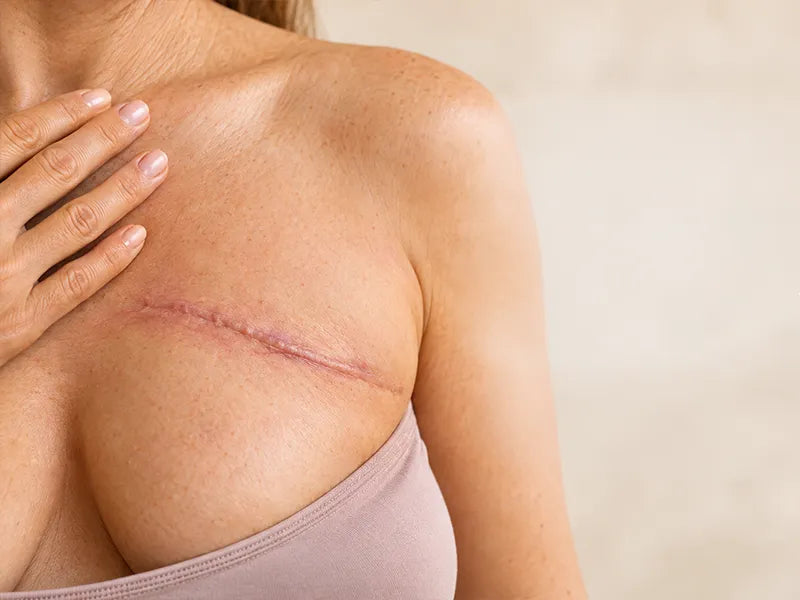
A mastectomy scar or lumpectomy scar changes for months after surgery, and it's not always obvious what's normal. This guide covers how long mastectomy scars typically take to heal, practical scar ...
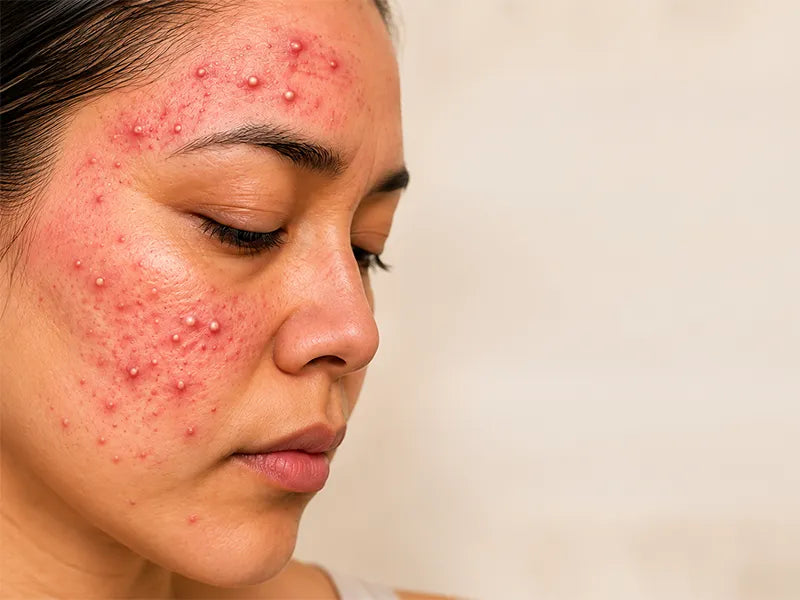
A chemo rash is one of the most common and most alarming side effects of cancer treatment. This guide shows what chemo rash typically looks like, explains what causes it...