
How to Care for Radiation-Sensitive Skin
- Understanding Radiation-Induced Skin Changes
- What Is Radiation-Sensitive Skin (Radiodermatitis)?
- The Emotional Side of Skin Changes
- What Oncology Care Teams Commonly Recommend
- What to Avoid During Radiation Therapy
- Step-by-Step: How to Care for Radiation-Sensitive Skin
- Ingredients Commonly Used for Radiation-Affected Skin
- How Botanical Ingredients Are Used in Supportive Skin Care
- Small Daily Habits That Support Healing
- A Nurse's Perspective on Caring for Radiation-Sensitive Skin
- How Dermavitality Products Support Your Skin During Chemo and Radiation
- Caring for the Whole Person
- A Gentle, Natural Approach: Nurse-Formulated Care
- Supporting Skin Health During Radiation Therapy
- Final Words from a Nurse
Radiation therapy is an essential part of cancer treatment, but it can also affect the skin in the treatment area. Many patients experience redness, dryness, itching, tenderness, or peeling as the skin barrier becomes compromised during therapy.
With proper daily care and early intervention, discomfort can often be reduced and the skin better supported throughout treatment. The goal of radiation skin care is to protect the skin barrier, minimize irritation, and promote comfort during recovery. :contentReference[oaicite:0]{index=0}
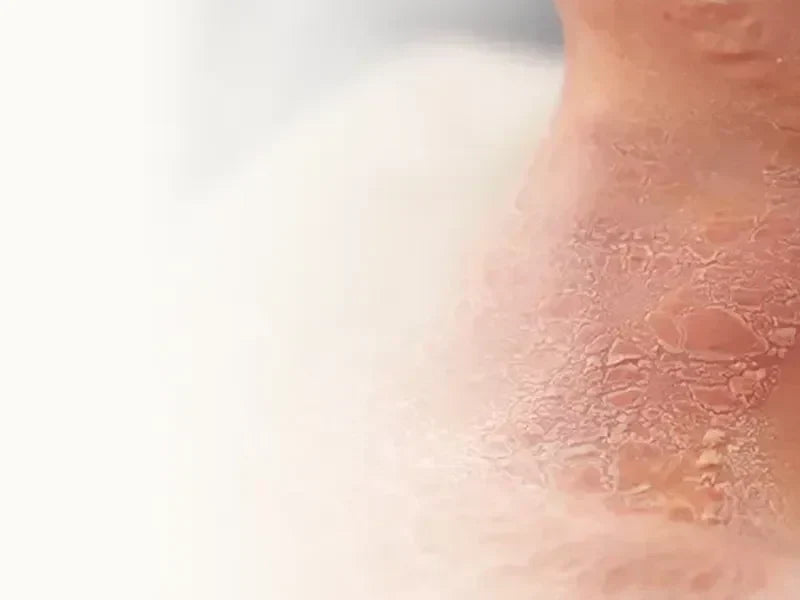
Understanding Radiation-Induced Skin Changes

Radiation affects rapidly dividing skin cells, weakening the skin's natural protective barrier and making it more vulnerable to irritation.
Common reactions may include:
- Redness or darkening similar to a sunburn
- Dry, flaky, or peeling skin
- Tenderness, warmth, or itching
- In some cases, blistering or open sores
Although these effects are common, proper care may help reduce discomfort, support recovery, and protect against more severe irritation.
What Is Radiation-Sensitive Skin (Radiodermatitis)?

Radiation-sensitive skin, also known as radiodermatitis, refers to skin changes that occur during or after radiation therapy. These changes result from damage to rapidly dividing skin cells and weakening of the skin’s natural protective barrier.
Common symptoms include redness, dryness, itching, flaking, tenderness, warmth, and, in some cases, blistering or open areas. Severity varies based on treatment location, dose, and individual skin response
The Emotional Side of Skin Changes

Skin reactions aren’t just physical—they can be emotional. Many patients have told me they feel discouraged when their skin changes or painful when something as simple as wearing clothing becomes difficult.
It’s okay to feel that way. These emotions are part of healing. As nurses, we’ve learned that caring for the skin is also caring for the spirit. Every soothing touch or cooling spray is an act of comfort—a reminder that you deserve ease and care, even in the hardest moments.
What Oncology Care Teams Commonly Recommend
Oncology care teams often recommend gentle, fragrance-free skin care during radiation therapy.
Common recommendations include:
- Using mild cleansers
- Moisturizing consistently
- Avoiding skin irritation
- Following your radiation team's instructions regarding product timing
Recommendations may vary depending on treatment site and individual skin response.
What to Avoid During Radiation Therapy

- Fragranced or scented products
- Alcohol-based lotions or cleansers
- Scrubbing or exfoliating treated skin
- Applying products immediately before radiation unless approved
- Hot water, heating pads, or direct sun exposure
- Tight or abrasive clothing
Step-by-Step: How to Care for Radiation-Sensitive Skin
1. Cleanse Gently
Use a mild, fragrance-free cleanser and lukewarm water. Avoid scrubbing and gently pat the skin dry.
2. Moisturize Early and Consistently
Regular moisturization helps support the skin barrier and reduce dryness and tightness.
3. Calm Warmth and Redness
Supportive skincare products formulated for sensitive skin may help provide cooling comfort.
4. Protect From Friction and Heat
Choose soft fabrics and avoid unnecessary rubbing or pressure on the treatment area.
5. Support Recovery With Gentle Daily Care
Consistency matters. Small daily habits can help maintain comfort throughout treatment.
Nurse Tip: Avoid alcohol-based products near the treatment area, as they may increase irritation.
Ingredients Commonly Used for Radiation-Affected Skin
Organic Aloe Leaf Juice (Aloe Barbadensis)
Aloe helps hydrate, cool, and replenish moisture while supporting the skin's natural recovery process.
Orange Blossom Water (Citrus Aurantium)
A soothing floral water that refreshes and tones the skin.
Organic Calendula Flower Extract (Calendula Officinalis)
Calendula is commonly used to calm irritation and support skin comfort.
Arnica Flower Extract (Arnica Montana)
Traditionally used to support circulation and ease tenderness.
Roman Chamomile Oil (Anthemis Nobilis)
Chamomile helps soothe itching, burning, and irritation.
Lavender Flower Oil (Lavandula Angustifolia)
Lavender provides calming aromatherapy benefits and gentle skin support.
Organic Oatstraw Extract (Avena Sativa)
Oatstraw helps strengthen the skin barrier and relieve dryness.
Organic White Willow Bark Extract (Salix Alba)
A natural source of salicin used to gently support skin renewal.
Tea Tree Leaf Oil (Melaleuca Alternifolia)
Helps maintain a clean, balanced skin surface.
How Botanical Ingredients Are Used in Supportive Skin Care

Botanical ingredients have long been used in supportive skin care for sensitive or compromised skin. Many patients find comfort in plant-based formulations designed to soothe, hydrate, and support the skin barrier during radiation therapy.
Together, these botanicals form a synergistic blend that cools, hydrates, and restores, free from synthetic fragrance, parabens, and harsh chemicals.
Small Daily Habits That Support Healing

- Stay hydrated. Water supports skin cell repair and overall health.
- Eat nutrient-rich foods. Include antioxidants and healthy fats to nourish from within.
- Avoid friction. Choose soft fabrics and loose clothing.
- Protect from sunlight. Cover treated areas when outdoors.
- Rest and restore. Healing takes energy—listen to your body and allow time to recover.
Healing doesn’t happen overnight, but these small daily actions build strength and comfort over time.
A Nurse's Perspective on Caring for Radiation-Sensitive Skin

As an oncology nurse, I’ve cared for patients undergoing radiation therapy. Every person brings courage, vulnerability, and a deep desire to feel normal in the middle of an overwhelming experience. What many don’t expect is how significantly radiation affects the skin—and how deeply those changes can influence comfort, confidence, and quality of life.
Redness, itching, tightness, and tenderness are extremely common. As treatment progresses, skin can become dry, inflamed, and hypersensitive to even the slightest touch. To someone on the outside, these reactions may look like simple irritation, but for the person experiencing them, they can feel painful, emotional, and exhausting.
That’s exactly why we created nurse-formulated skincare specifically for radiation-sensitive skin—to provide real relief from the problems treatment causes. Our goal is to make each day a little more comfortable by keeping your skin soothed, nourished, and protected.
Key ingredients that make a difference:
Calendula to calm irritation, reduce redness, and support natural healing
Aloe Vera to cool, hydrate, and ease tightness and tenderness
Shea Butter to restore moisture, strengthen the skin barrier, and prevent further dryness
Nourishing plant oils like jojoba and olive to replenish depleted skin and improve softness
Natural Plant Botanicals to soothe irritated skin
Together, these ingredients work to soothe irritation, restore moisture, calm inflammation, and protect fragile skin—bringing comfort and confidence back to a journey that can often feel anything but comfortable.
How Dermavitality Products Support Your Skin During Chemo and Radiation
Dermavitality offers plant-based skincare products designed to support skin comfort during treatment.
Two Ways to Soothe: Cream and Spray

Radiation Relief Cream
Provides deep hydration for dry, irritated, or peeling skin while helping support the skin barrier.
Radiation Relief Spray
Offers hands-free cooling comfort for sensitive skin that may be too tender to touch.
Both products were created with one goal: helping patients feel more comfortable throughout radiation therapy.
Caring for the Whole Person

Radiation care isn’t just physical, it’s emotional, spiritual, and human. Taking a few moments each day to care for your skin is also caring for your heart. Many patients tell me that using the cream or mist becomes a ritual of hope—a reminder that healing is happening, even when it’s hard to see.
At Dermavitality, we believe that love, faith, and science can work hand in hand. That’s why we continue to create products that honor both your health and your humanity.
You are not alone in this. Every nurse who helped create these formulas understands what you’re facing.
A Gentle, Natural Approach: Nurse-Formulated Care

When creating the Dermavitality line, we wanted more than a product. We wanted a promise—that everything touching the skin of a patient in treatment would be pure, safe, and supportive.
Instead of synthetic chemicals or artificial fragrance, our formulas rely on organic botanicals that nurses and herbalists have trusted for generations. The skin’s natural barrier is already compromised during radiation; it doesn’t need anything harsh. What it needs is calm.
That’s where our Radiation Relief Cream and Radiation Relief Spray come in. Each combines carefully selected plant extracts that soothe inflammation, replenish hydration, and nurture the skin back toward balance.
Conclusion: Supporting Skin Health During Radiation Therapy

Radiation therapy places unique stress on the skin, but gentle daily care can help reduce discomfort and support recovery. Using mild cleansing, consistent moisturizing, avoiding irritation, and following oncology guidance can make a meaningful difference throughout treatment.
Patients should always consult their care team with questions about skin changes or product use during radiation therapy.
How Dermavitality Products Fit Into Radiation Skin Care

Some patients choose nurse-formulated products designed specifically for radiation-affected skin. Brands such as Dermavitality focus on gentle, fragrance-free formulations intended to support comfort and hydration during treatment.
Options may include creams for deep hydration and sprays for hands-free cooling when skin is too tender for touch.
Final Words from a Nurse

Caring for your skin isn’t just a skincare ritual—it’s essential treatment side effect management. By using gentle cleansing, moisturizing early and often, protecting from sun, and staying vigilant for changes, you can greatly reduce discomfort and support healing.
Stay proactive, be kind to your skin, and reach out whenever you’re unsure. You’ve got this, and we’re here to help.
Disclaimer
This content is for informational purposes only and is not intended as a substitute for professional medical advice, diagnosis, or treatment. Always consult your physician, advanced practice nurse, or other qualified healthcare provider with any questions you may have regarding a medical condition or treatment.
Read more


Hair loss is one of the most visible and emotionally challenging side effects of chemotherapy. While it can affect confidence and identity, chemo-related hair loss is temporary, and gentle scalp ca...

A cancer diagnosis can be overwhelming, but positivity, self-care, and support can make the journey easier. This guide offers simple ways to stay grounded, hopeful, and connected during treatment.