
Parenting Through a Cancer Diagnosis:
Skin Care for Chemotherapy
and Radiation Treatment
How to Support Your Children With Honesty, Stability, and Love
By Melody Swart
By Mark Brown, RN | Oncology Nurse &
Co-Founder of Dermavitality

Parenting Through Cancer
Parenting is already one of the hardest jobs in the world. Parenting while navigating a cancer diagnosis is something entirely different. It is heavier, messier, and more emotionally overwhelming than most people can imagine. When I was diagnosed with breast cancer at age 37, I was a wife and mom of four elementary-aged children. Suddenly I was not just fighting cancer. I was fighting to keep my kids feeling safe, secure, and emotionally held through every step of the journey.
A cancer diagnosis does not happen to just one person. It affects the whole family. Research from the National Cancer Institute shows that children often experience heightened anxiety and confusion when a parent receives a diagnosis, even when adults try to protect them by staying quiet. Kids sense when something is wrong. They feel the emotional tremors long before we talk about them.
Helping Your Kids Navigate Your Cancer Journey
Supporting your children through your diagnosis is just as important as supporting yourself. Below are the things I learned, the things I wish I had understood sooner, and the things I now share with other parents walking this difficult road.
Telling Your Children the Truth With Gentleness and Honesty
According to the American Psychological Association, children cope significantly better when they receive honest, age-appropriate information. Silence or secrecy often creates more fear than honesty.
Keep explanations age-appropriate
Young children need simple statements. School-aged kids understand more detail. Teens often want direct information and may become frustrated if they feel left out.No matter the age, certain principles help children feel safer:
- Reassure them often that your cancer is not their fault.
- Encourage them to ask questions.
- Check their understanding to make sure they heard the information accurately.

Use real words
The American Cancer Society encourages parents to use accurate language because vague expressions like “Mommy is sick” can create confusion or fear. Using words such as cancer, chemotherapy, surgery, and radiation helps children understand what is happening and why.Prepare them for visible changes

Let them know ahead of time:
- “Mommy might lose her hair.”
- “Daddy may feel tired more often.”
- “There will be many doctor appointments.”
- “After surgery, I will need to rest for a while.”
When my husband and I told our children, I said:“Mommy has cancer, but Mommy is going to be okay. I will have a lot of doctor appointments to get rid of it. There is nothing you need to worry about. I just need you to be extra loving and helpful while I heal.”Kids do not need every detail. They need truth, reassurance, and space to feel whatever they feel.
Choose the Right Moment
Pick a calm time without distractions, ideally when the children have time afterward to process through play. Movement helps kids regulate big emotions.It is completely okay to cry when you tell them. Your emotions show them it is safe to have their own.
Having another supportive adult present, such as a spouse, grandparent, or close friend, can help keep the moment steady.If you do not know an answer, say, “I am not sure, but I will find out.”This builds trust.

Let Them See Part of the Process
Children often imagine the worst. Showing them small, age-appropriate parts of the journey can reduce fear. Even seeing a picture of the infusion chair, the chemo pole, or your wig helps remove the mystery.
The nonprofit CancerCare notes that gentle exposure helps reduce anxiety.Real experiences are often less frightening than imagined ones.
Staying Connected When You Are Exhausted
Cancer treatment affects your physical energy, emotions, and ability to parent the way you normally would. The National Cancer Institute explains that emotional connection, not activity level, is what helps children cope best.
Here are meaningful, low-energy ways to stay connected:

Reading together

Coloring or simple crafts

Play-Doh

Board or card games

Snuggling

Watching movies

Painting nails or doing simple self-care together
On days when you have more energy:

Short walks

Easy bike rides

Time outdoors

Fishing

Going to a local park
Your energy will rise and fall. Give yourself grace. Connection matters more than perfection.
How to Care for Your Scalp During Chemotherapy
A Free Resource That Truly Helps: Bright Spot Network
One resource that helped our family is the Bright Spot Network, a nonprofit supporting young families facing a parent’s cancer diagnosis.
Website: www.brightspotnetwork.org They offer a wide range of completely free resources designed to help children understand and process what is happening.
Free resources include:
- Children’s books about a parent’s cancer
- Discussion guides
- Virtual support groups for parents
- Virtual support groups for kids
- Activities for families
- Tip sheets
- Coloring pages
- Support specifically for young families
I personally used Bright Spot Network and chose two free books for my children. These books helped them understand what I was going through, especially the hair loss and fatigue. They also opened conversations we might not have known how to start on our own.They offer a detailed booklist containing dozens of vetted titles:
Full Booklist PDFKeep Structure Where You Can
Children thrive when their world feels predictable. The American Academy of Pediatrics notes that routines help create emotional stability during stressful seasons.Try to keep:
- Bedtime routines
- Mealtime routines
- School schedules
- Simple weekly rhythms
- Holiday traditions
Even a few steady points in their week help children feel grounded and safe.

Get Your Kids Involved in Simple, Empowering Ways
Children cope better when they feel included. You can invite them to:
- Pick your beanie, scarf, or wig
- Help pack your chemo bag
- Do small chores like sorting laundry or wiping counters
- Help make thank you cards for nurses, family members, friends, or anyone who has supported your family
My children helped write and sign cards for people who had supported us. It meant so much to the recipients to see my children’s handwriting inside the card. These small expressions of gratitude helped my kids feel connected and purposeful during a season that felt very out of their control.

Watch Their Behavior. It Often Reveals Emotions They Cannot Express
Children often show fear or confusion through behavior instead of words. The American Psychological Association lists common signs such as:
- Bedwetting
- Nightmares
- Irritability
- Trouble concentrating
- Regression
- Clinginess
One of my children began wetting the bed and having nightmares about me being bald. They did not verbally express fear, but their behavior made their emotions clear.
Once I began wearing wigs more often at home and explaining the changes, the nightmares and bedwetting stopped. Understanding what was happening helped lessen their fear.

Encourage Emotional Expression
Children need guidance to name and process their emotions. The Child Mind Institute notes that children learn resilience when adults model healthy emotional expression.Helpful strategies include:
- Daily emotional check-ins
- Short family conversations
- Bedtime moments to talk
- Sharing your own feelings in simple, age-appropriate ways
When your child expresses sadness or worry, respond with: “I am right here.” “I love you.” “This is really hard, and we will get through it together. ”A hug or hand squeeze often communicates safety more powerfully than words.

Therapy Helps Everyone
Therapy is a supportive tool for both children and adults. The National Child Traumatic Stress Network explains that young children often process trauma through play such as drawing, sand play, storytelling, or games.
Parents benefit from therapy as well. Having a place to process your own emotions helps you stay steady for your children.

Involve Your Child’s School Early
Schools can offer emotional and academic support when they know what your family is going through.
They can:
- Monitor emotional changes
- Offer academic flexibility
- Bedtime moments to talk
- Connect your child with the school social worker
- Provide quiet spaces for breaks and check-ins
Sharing information early helps the school support your child more effectively.

Supporting Hair Regrowth After Chemotherapy
Safe, compliant, and accurate
Once chemotherapy is complete, hair naturally begins to grow back. Early regrowth often looks like:
- Soft “peach fuzz”
- Different texture (curlier or straighter)
- Different color
- Finer or uneven at first
A healthy, hydrated scalp simply feels better as new hair begins to return.

This is where Dermavitality Soothing Scalp Cream and Dermavitality Soothing Scalp Spray shine.
While they do not claim to make hair grow, they are designed to:
- Keep the scalp hydrated and comfortable during the regrowth phase
- Support a healthier scalp environment where new hair can grow naturally
- Soothe irritation that can make regrowth uncomfortable
- Provide lightweight nourishment with aloe and botanicals
This framing is 100% compliant and communicates real value.

Gentle Scalp Care Options Designed for Sensitive Skin
The Dermavitality Soothing Scalp Cream and Dermavitality Soothing Scalp Spray are formulated specifically for:
- Sensitive, treatment-affected skin
- Dry or irritated scalp
- Tenderness during shedding
- Comfort under wigs, turbans, or sleep caps
- Hydration during early regrowth


Nutritional & Skin Care Connections
Cancer treatments like chemotherapy and radiation don’t just affect what's inside—they impact your skin in powerful ways. Dryness, flaking, and sensitivity are often made worse by dehydration and poor nourishment.





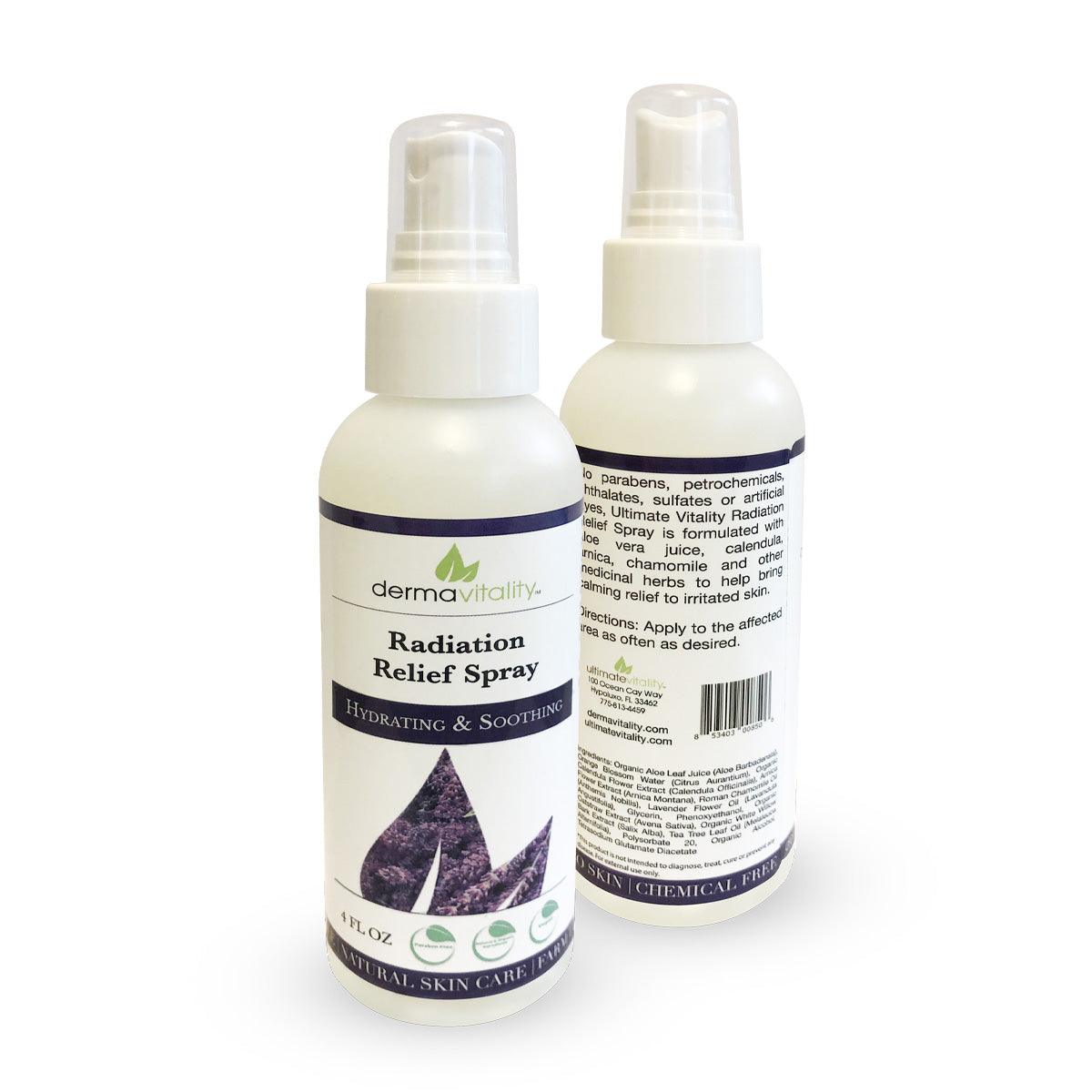


Radiation Relief Spray
Designed to help with pain and irritation. This soothing and cooling spray with Calendula and Arnica can be put in the refrigerator cooling relief.








Radiation Relief Cream
Dermavitality Radiation Cream has helped 1000's of patients with its skin supporting ingredients and natural botanical herbs that soothe and heal damaged skin.






Oncology Body Lotion
A deeply moisturizing lotion infused with organic aloe vera, shea butter, and calendula to soothe dry, irritated skin.






Hand Foot Calming Cream
Specially designed to target hand-foot syndrome, providing hydration and relief from irritation.



Unscented Face Serum
A lightweight, nourishing formula that hydrates sensitive facial skin without fragrances or irritants.
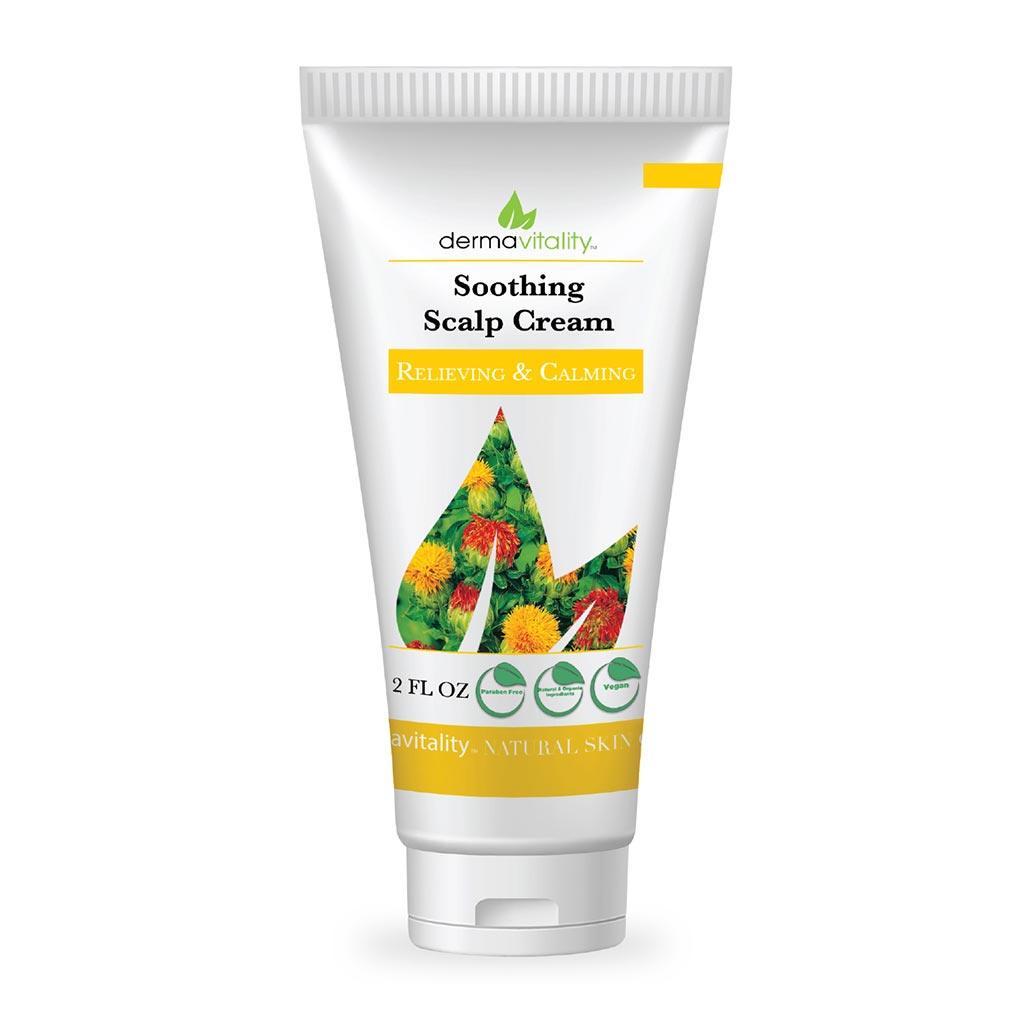

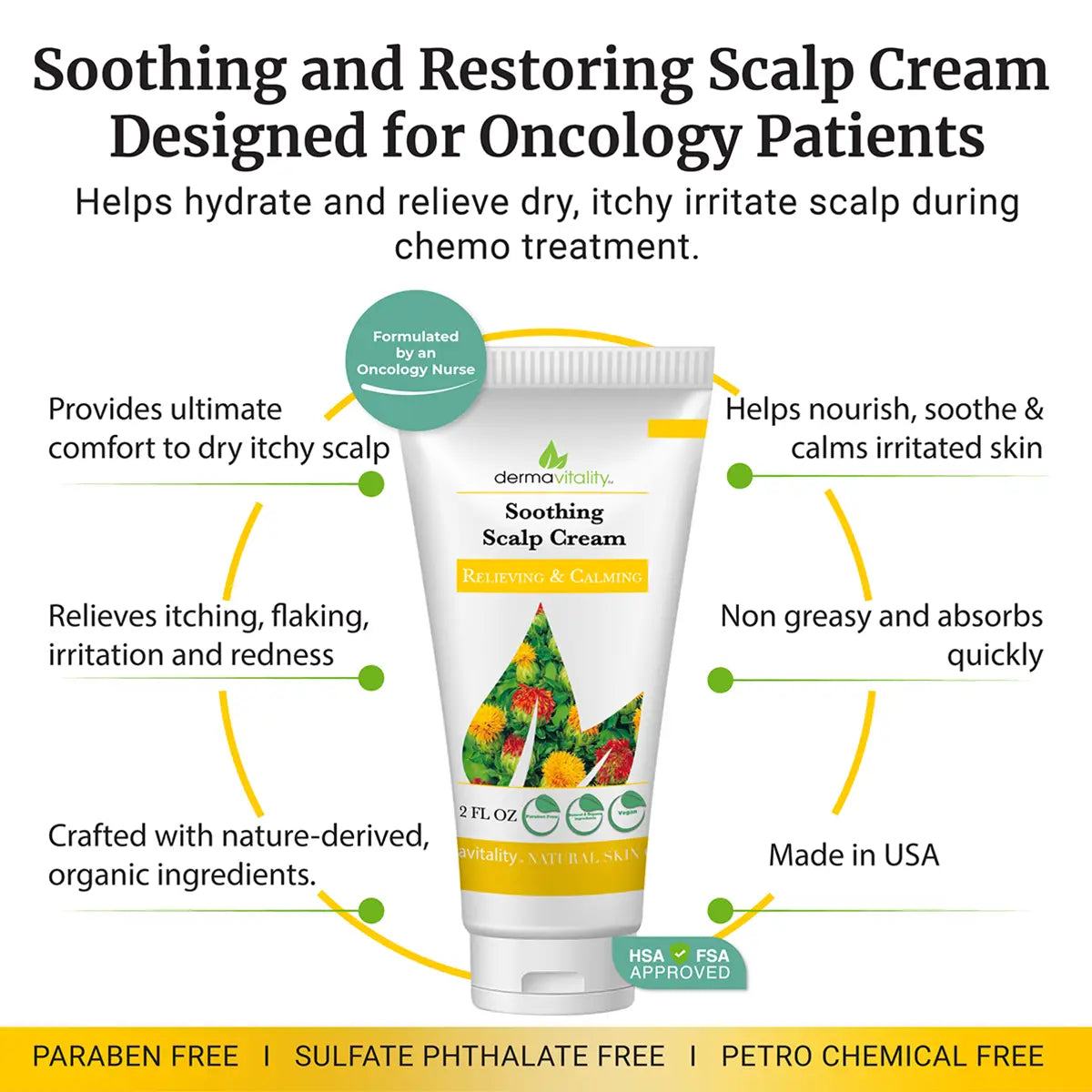



Soothing Scalp Cream
Helps calm and hydrate an itchy, dry scalp caused by chemotherapy-induced hair loss.
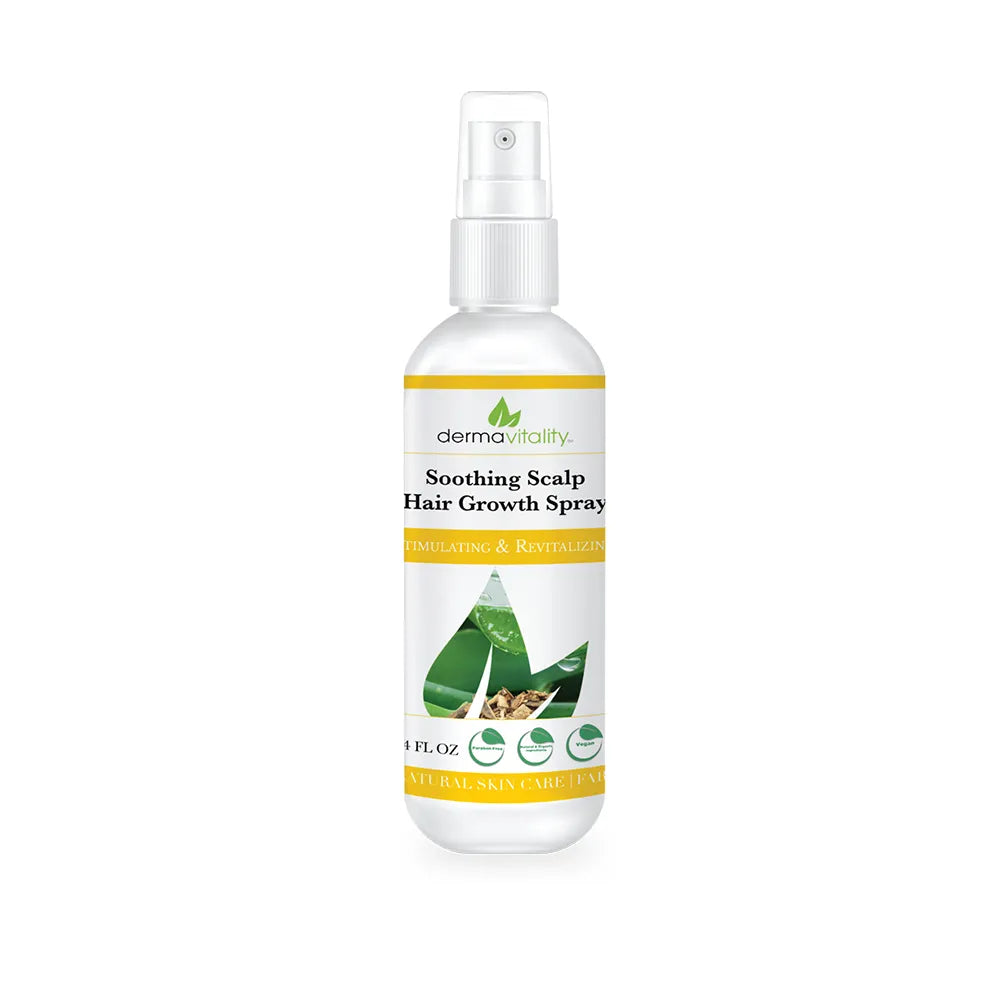






Soothing Scalp Hair Growth Spray
Designed to soothe the scalp and support hair growth.
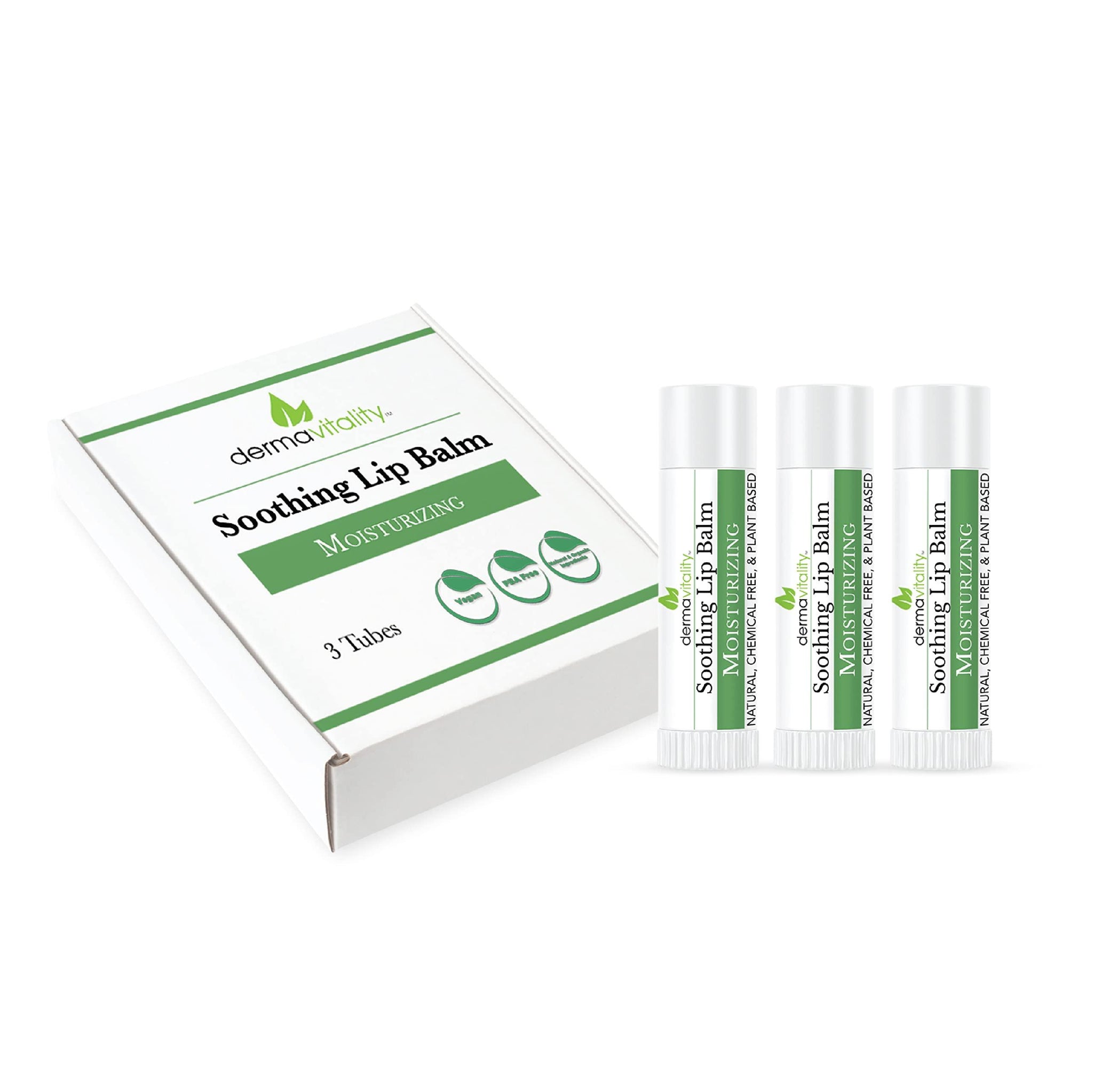
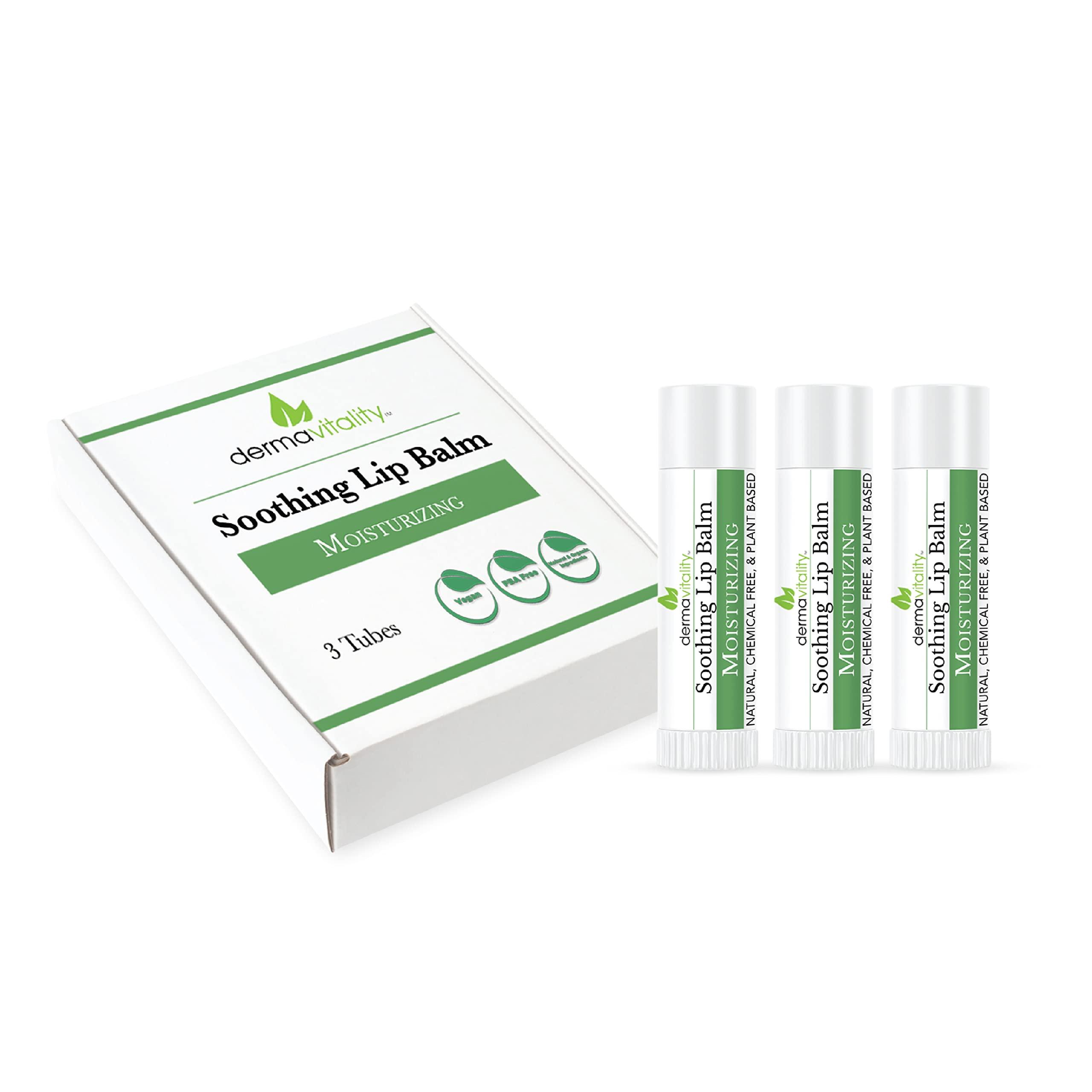


Lip Balm
The ultimate organic lip balm to soothe dry chapped lips
Final Words from a Nurse
Caring for your skin isn’t just a skincare ritual—it’s essential treatment side effect management. By using gentle cleansing, moisturizing early and often, protecting from sun, and staying vigilant for changes, you can greatly reduce discomfort and support healing.
Stay proactive, be kind to your skin, and reach out whenever you’re unsure. You’ve got this—and we’re here to help.

Final Words from a Nurse
Caring for your skin isn’t just a skincare ritual—it’s essential treatment side effect management. By using gentle cleansing, moisturizing early and often, protecting from sun, and staying vigilant for changes, you can greatly reduce discomfort and support healing.
Stay proactive, be kind to your skin, and reach out whenever you’re unsure. You’ve got this—and we’re here to help.
Use Simple Family Practices to Create Stability
Simple family practices help children feel steady and secure. These are small habits that anchor your family emotionally. Examples include:
- A morning hug
- A bedtime prayer
- Weekly movie nights
- A special phrase you share before school
These familiar moments remind your children that they are safe and loved even when life feels unpredictable.

Little Comfort Items Can Make a Big Difference
If you receive care packages, consider sharing small items with your children such as:
- A mini pillow
- A bracelet
- A blanket
- A stress ball
My children loved these comfort items. They helped them feel included and emotionally supported.

Take Care of Yourself. It Helps You Take Care of Them
You cannot pour from an empty cup. Ask for help with:
- Meals
- Childcare
- Rides
- Cleaning
- Laundry
- Emotional support
- Financial needs
The American Cancer Society explains that parents who receive support experience better emotional outcomes, and their children benefit from that emotional stability.You can also reach out to your nurse navigator for additional resources and guidance. They are there to support your entire family through this journey.
Let people show up for you. Let them support you. You do not have to navigate this alone.

Final Encouragement
Parenting through cancer is one of the hardest experiences a family can walk through. Your presence, honesty, and love make a powerful difference. You are teaching your children resilience, compassion, courage, and emotional strength in real time.
You do not need to be a perfect parent.
You only need to be a connected one.
And you already are.
Sources
- American Psychological Association – www.apa.org
- American Cancer Society – www.cancer.org
- National Cancer Institute – www.cancer.gov
- CancerCare – www.cancercare.org
- Child Mind Institute – www.childmind.org
- National Child Traumatic Stress Network – www.nctsn.org
- American Academy of Pediatrics – www.aap.org
- Bright Spot Network – www.brightspotnetwork.org
Disclaimer
This content is for informational purposes only and is not intended as a substitute for professional medical advice, diagnosis, or treatment. Always consult your physician, advanced practice nurse, or other qualified healthcare provider with any questions you may have regarding a medical condition or treatment.
Check Out Our Collections

Radiation Relief

Chemo Skin Care

Scalp & Hair Care

Aromatherapy

Gift Sets
Step-by-Step: How to Care for Radiation-Sensitive Skin
Use a mild, fragrance-free cleanser and lukewarm water—never hot. Avoid scrubbing or exfoliating the treatment area. Pat dry softly with a clean towel.
Nurse Tip:
Skip alcohol-based products and deodorants near the radiation field; they can worsen irritation.
Begin moisturizing from the first day of treatment. Preventing dryness is easier than repairing it.
Our Radiation Relief Cream delivers a rich yet non-greasy layer of hydration that absorbs quickly and comforts skin throughout the day. Apply it two to three times daily—but not within two hours before radiation sessions.
If your skin feels hot or tight, use a cool, damp compress or spritz the area with Dermavitality Radiation Relief Spray. The lightweight mist delivers immediate cooling comfort without the need for rubbing or pressure.
It’s especially helpful right after treatment, when skin may be too sensitive for touch.
Wear loose, breathable fabrics like cotton or bamboo. Avoid direct sun exposure and skip adhesives or tapes on treated skin.
If hands and feet become red, cracked, or sore—common with certain chemotherapy drugs—apply Hand & Foot Relief Cream. It provides restorative moisture and helps reduce redness and peeling.
Healing skin needs consistency more than complexity. Cleanse gently, moisturize faithfully, protect carefully, and rest often. Small habits done with care make all the difference.