
Protecting Your Hands During Cancer Treatment: Gloves, Creams & Daily Care

- Why Are Your Hands So Sensitive During Cancer Treatment?
- What Is a Daily Hand-Care Checklist for Cancer Treatment?
- How Should You Wash and Dry Your Hands?
- What Are the Best Gloves for Dermatitis and Chemo-Sensitive Hands?
- What Cream Should You Use on Hands During Chemo?
- How Can You Protect Your Hands During Chores and Daily Tasks?
- How Do You Care for Nails, Sun Exposure, and Sore Hands?
- What Should Your Bedtime Hand Routine Look Like?
- When Should You Call Your Care Team About Your Hands?
- What Are Thoughtful Gifts for Someone With Sore Hands?
- Here's How Dermavitality Can Help
- Frequently Asked Questions
- References
Quick answer: Keep water lukewarm, pat hands dry, and apply a thick, fragrance-free cream after washing. Wear cotton-lined gloves for wet chores, skip tight gloves that rub, and shield your hands from the sun. Rest your hands when you can, and call your care team if you notice pain, peeling, or blisters.
Why Are Your Hands So Sensitive During Cancer Treatment?
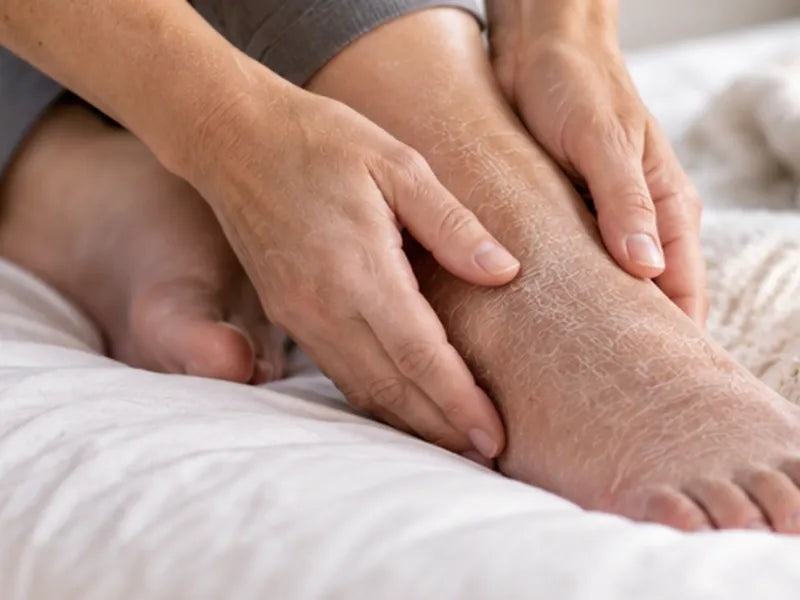
You reach for a coffee mug and your palms feel tender. Dish soap stings. A wedding ring that fit last month feels tight, and the skin on your fingertips is dry, red, or starting to peel. If this is happening to you, you are not imagining it, and you did not do anything wrong.
Some chemotherapy and targeted therapy drugs can irritate the skin on the palms and soles. Care teams call this hand foot syndrome. Our nurse-written overview of hand-foot syndrome related to chemotherapy explains what it is and why it happens. This guide picks up where that one leaves off. It is a practical, day-by-day checklist for the small moments that add up: washing, cooking, gloves, creams, sun, and bedtime.
None of these steps replace your care team's advice. Think of them as gentle habits that support comfort while your team manages your treatment.
What Is a Daily Hand-Care Checklist for Cancer Treatment?
The good news is that most hand care happens in moments you already have: the first sink visit of the morning, the dishes after dinner, the quiet minutes before bed. This table turns the guidance from the American Cancer Society, Mayo Clinic, and the National Cancer Institute into a simple routine you can follow at a glance.
| Moment | What to do | Why it helps |
|---|---|---|
| Morning | Wash with lukewarm water, pat dry, apply a thick, fragrance-free cream | Moisturizer works best on slightly damp skin |
| Wet chores | Wear plastic gloves lined with cotton, and keep water lukewarm | Limits time in hot water and soap |
| Daytime | Choose loose, soft gloves and skip anything that rubs | Less friction and pressure on sore skin |
| Outdoors | Cover hands or ask your team about sunscreen | Treatment can make skin more sensitive to the sun |
| Throughout the day | Rest your hands, and use a cool pack if it feels good | Gives sore skin a break |
| Bedtime | Apply a thick layer of balm, then cotton gloves if your team suggests it | Helps lock in moisture overnight |
| Weekly | Check palms, fingertips, and nails for changes | Catches changes early so you can report them |
The sections below explain each step, so you can adapt the routine to your own treatment and comfort.
How Should You Wash and Dry Your Hands?
Is Hot Water Bad for Hands During Chemo?
It can be. The American Cancer Society advises limiting time in very warm or hot water, including bathing and washing dishes, and skipping hot tubs and extra-hot showers. Lukewarm is the goal, and shorter is better.
What Is the Best Way to Dry Your Hands?
Gently. Mayo Clinic recommends rinsing and drying hands well and gently after washing. Pat with a soft towel instead of rubbing, then apply moisturizer while your skin is still slightly damp. The National Cancer Institute says moisturizer is most helpful right after a shower or bath while skin is still damp, and that products listing alcohol or fragrance can dry or irritate skin.

What Are the Best Gloves for Dermatitis and Chemo-Sensitive Hands?
Gloves are one of the easiest ways to shield sensitive hands, but the right pair depends on the job. Mayo Clinic's guidance on contact dermatitis is a helpful starting point, and the same logic applies when treatment leaves your hands dry and tender. Ask your care team before you change your routine.
Which Gloves Work for Wet Chores?
Mayo Clinic suggests plastic gloves lined with cotton when your hands are often wet. The cotton layer absorbs sweat and softens contact, while the outer layer keeps water and soap off your skin. If a pair feels damp inside, take it off, dry your hands, and put on a fresh cotton liner. Pair this with lukewarm water for dishes, since the American Cancer Society lists dishwashing among the hot-water activities to limit.
Should You Wear Gloves for Everyday Tasks?
Soft, loose gloves can help in cold air or when you are handling rough surfaces. The American Cancer Society cautions against tight gloves and anything that rubs, because friction and pressure can add to the irritation. If you are not sure, choose a looser size, and avoid seams and stiff cuffs that press on tender spots.
What About Cooling Gloves?
The American Cancer Society notes that your doctor may prescribe skin-cooling gloves for hand-foot syndrome. These are a care team decision, so ask whether they make sense for your treatment instead of buying them on your own.
Do Caregivers Need Gloves Too?
Yes, in specific situations. The American Cancer Society's chemotherapy safety guidance says anyone who touches body fluids or soiled items in the first days after chemo should wear two pairs of disposable gloves and wash their hands afterward. That protects your caregivers, and it is separate from the skin-comfort gloves described above.
What Cream Should You Use on Hands During Chemo?
A good hand cream is less about a brand and more about a short list of traits. The American Cancer Society recommends a gentle, non-drying, alcohol-free lotion that your care team approves, and suggests looking for products that are free of alcohol, fragrance, menthol, and dyes, and that are thick or ointment-like. Thicker products tend to stay on the skin longer than thin lotions.
How Often Should You Apply Hand Cream?
Often. Mayo Clinic says to apply moisturizer frequently during the day. A practical rhythm is after every hand wash, after chores, and before bed. Keep a small tube at the sink, in your bag, and on your nightstand so the habit takes almost no effort.
Where Does Dermavitality Fit In?
Dermavitality's hand-foot syndrome cream is a plant-rich botanical formula designed to soothe dry, uncomfortable skin on hands and feet. It was developed by an oncology nurse and a breast cancer survivor. As with any product, show the ingredient list to your care team before you start, especially if you are in the middle of treatment. If you would like to try before you commit, the sample packs collection is a low-pressure place to begin.
Does Tingling Change How You Care for Your Hands?
It can. If you also notice numbness, tingling, or burning, tell your care team as soon as you can, because nerve changes need their own plan. Our overview of managing chemotherapy-induced neuropathy explains what these symptoms can mean and what people commonly do about them.
How Can You Protect Your Hands During Chores and Daily Tasks?
How Do You Reduce Friction and Pressure?
The American Cancer Society advises avoiding activities that put excess pressure or friction on your hands and feet, and resting them whenever you can. Small changes help: use a wider, softer grip on tools and utensils, wrap handles with padding, and let a family member take over jar-opening and heavy carrying on tough days.
How Do You Handle Hot, Cold, or Sharp Objects?
Ask for help. The American Cancer Society recommends getting help with sharp, hot, or cold objects to avoid injury, since sensitive skin and changes in feeling can make it harder to notice a cut or a hot surface. Use oven mitts that fit loosely, and test water with the back of your wrist before putting your hands in.
What About Work and Screens?
Take short breaks to rest your hands, shake them out, and re-apply cream. If keyboard use or repetitive tasks leave your palms sore, mention it to your care team. They may suggest adjustments for work.
Can Everyday Products Irritate Your Hands?
They can. Mayo Clinic advises identifying the trigger and staying away from it. Many people find that harsh soaps, sanitizers with alcohol, and strong cleaning products sting dry skin. Choose a gentle, fragrance-free soap, and ask your care team which hand sanitizer is a good fit for you. Our post on chemo side effects on skin covers other skin changes to watch for.
How Do You Care for Nails, Sun Exposure, and Sore Hands?
Should You Get Manicures During Chemo?
The American Cancer Society suggests pausing professional manicures and pedicures during hand-foot syndrome, and taking care to avoid injury when clipping and filing nails. Cut or file gently, and ask your team before using acrylics or polish remover.
How Do You Protect Your Hands From the Sun?
The American Cancer Society advises avoiding sun exposure on your hands and feet, and asking your care team for sunscreen recommendations. Lightweight, loose gloves can cover the backs of your hands on bright days, and a shaded seat helps at outdoor events. Our overview of skin care for chemotherapy and radiation treatment covers sun care for the rest of your body.
Can Cooling Help Sore Hands?
For some people, yes. The American Cancer Society notes that reusable ice packs or a bag of frozen peas or corn can help if cold feels good, and that elevating your hands can sometimes ease discomfort. Keep the skin cool and dry, and place a thin cloth between the pack and your skin. Stop if cold makes tingling or numbness worse.
What Should You Do About Blisters?
Leave them alone. The American Cancer Society says not to pop or break blisters because they can become infected. Tell your care team if blisters break on their own.

What Should Your Bedtime Hand Routine Look Like?
Night is when your hands get a real break from washing and gripping, which makes it a good time for extra moisture. Wash with lukewarm water, pat dry, and smooth on a thick layer of balm. The American Cancer Society notes that your doctor may suggest wearing cotton gloves or socks over the product to help lock in moisture. Cotton is soft and breathable, and it keeps balm off your sheets.
If you want a simple evening ritual, the Restore collection offers daily botanical care you can use across your hands, face, and body. A few quiet minutes with a warm (not hot) towel, your cream, and your cotton gloves can also help you wind down.
When Should You Call Your Care Team About Your Hands?
Do not wait for a scheduled visit when something changes. The American Cancer Society says to tell your care team if your hands or feet start to hurt or peel, and to report new or changing symptoms and what does or does not help at each visit. Call sooner if you notice increased swelling, cracked skin, new blisters, or blisters that break open. Contact your team right away if you see signs of infection, such as spreading redness, warmth, pus, or fever. Any change that worries you is worth a call.
What Are Thoughtful Gifts for Someone With Sore Hands?
If you love someone going through treatment, a practical, gentle gift can mean more than flowers. Soft cotton gloves, a fragrance-free hand cream, a lip balm, and a cozy wrap say "I thought about what your day is like." For a ready-made option, the gift sets collection brings botanical skin care together in one box. Our skin care gift guide for cancer patients shares more ideas, and the chemo skin care collection is a helpful place to browse for specific needs.
Here's How Dermavitality Can Help
Sore, dry hands touch every part of your day, from morning coffee to the last light switch at night. Dermavitality is made for the skin changes that come with cancer treatment, and it was developed by an oncology nurse and a breast cancer survivor who understand what everyday comfort means during this time. Here's what Dermavitality offers:
- Made for hand and foot comfort: Creams are designed to soothe dry, uncomfortable skin on sensitive hands and feet.
- Free from parabens, phthalates, and petrochemicals: Plant-rich botanical formulas with a short ingredient list you can share with your care team.
- Available directly or through your care team's sample program: Order online, or ask about the provider sample program.
- Gives back: 20% of proceeds support the National Breast Cancer Foundation's HOPE Kit program.
- Made in the USA: Formulated and produced here in the United States.
- Developed by an oncology nurse and a breast cancer survivor: Every product reflects lived and clinical experience.
Dermavitality is more than a skin care line. It is gentle daily comfort for hands that are working hard, shaped by people who have been on both sides of a cancer diagnosis. If you are managing more than one side effect, the oncology support bundles bring several products together. Read the full medical disclaimer before you begin any new product.
Want relief from dry, sore hands? Shop neuropathy and hand-foot care today. Not ready yet? Start with our guide to chemotherapy and hair loss.
Frequently Asked Questions
What helps hand foot syndrome at home?
The American Cancer Society suggests limiting very warm or hot water, avoiding friction and pressure, resting your hands, and using a gentle, alcohol-free, thick lotion your care team recommends. Protect hands from the sun and avoid tight gloves. Report pain, peeling, or blisters to your care team.
What gloves are best for dermatitis?
Mayo Clinic suggests plastic gloves lined with cotton when hands are often wet, since they keep water off while the cotton absorbs sweat. For dry-weather wear, choose loose, soft gloves that do not rub. Match the glove to the task, and ask your care team about your situation.
Can you wear cotton gloves to bed for dry hands?
Yes, if your care team agrees. The American Cancer Society notes that your doctor may suggest applying a thick product and then wearing cotton gloves or socks to help lock in moisture. Choose soft, loose-fitting cotton, and take them off if they feel tight or uncomfortable.
What kind of hand cream is best during chemo?
Look for a thick, ointment-like cream that is free of alcohol, fragrance, menthol, and dyes, as the American Cancer Society advises. Apply it often, especially after washing and while skin is slightly damp. Show the ingredient list to your care team before starting something new.
Is it safe to get manicures during chemo?
The American Cancer Society suggests pausing professional manicures and pedicures if you have hand-foot syndrome, and being careful when clipping or filing nails. Ask your care team before returning to the salon, especially if your skin is peeling, cracked, or blistered.
When should you call your doctor about hand symptoms?
Call when your hands start to hurt or peel, when you see new blisters or cracked skin, or when swelling increases. Contact your team right away for signs of infection, such as spreading redness, warmth, pus, or fever. Report anything that worries you, even if it seems small.
References
- American Cancer Society. "Hand-Foot Syndrome."
- Mayo Clinic. "Contact Dermatitis: Diagnosis and Treatment."
- National Cancer Institute. "Skin and Nail Changes and Cancer Treatment."
- American Cancer Society. "Chemotherapy Safety."
Leer más

Chemotherapy can affect the nerves in your hands and feet and disrupt the skin barrier, since both nerve fibers and skin cells are sensitive to treatment...

Maybe it started as a faint pink patch, or a tight, itchy feeling where the beam passes through. Maybe your skin simply looks different under the bathroom light than it did a week ago.