
Natural skincare safe during cancer treatment
- What are your options for safe skincare during cancer treatment?
- What should you compare when choosing natural skincare during treatment?
- How do the ingredient options compare?
- What should you ask before you buy, and how do radiation and chemo skin differ?
- How much does oncology skincare cost, and what makes a line trustworthy?
- Which should you choose for your situation?
-
Frequently asked questions
- Can I use natural skincare products during radiation therapy?
- Are essential oils safe in skincare during chemotherapy?
- What ingredients should I avoid in skincare during cancer treatment?
- Is oncology skincare safe to use alongside my cancer care?
- Can I use HSA or FSA funds for oncology skincare products?
- Start with your care team
Yes, natural and organic skin care products can be safe to use on skin during cancer treatment, but the label alone does not make them safe. The formula does: fragrance-free, gentle on a weakened skin barrier, and fully listed.
This guide is for patients and caregivers choosing a product. It covers what to compare, what to avoid, and what to ask before you buy. It is educational, so check any new product with your oncology team first.

What are your options for safe skincare during cancer treatment?
You have three paths: a natural line formulated for oncology skin, a fragrance-free pharmacy staple that clinical guidelines recommend, or only what your care team hands you. Columbia University's cancer center explains that cancer treatment weakens the skin's protective barrier. Skin gets drier and more sensitive, so a product you used for years can suddenly sting.
The label is not the safeguard. The FDA says an ingredient's source does not determine its safety, and many plants, organic or not, contain substances that may be toxic or allergenic.
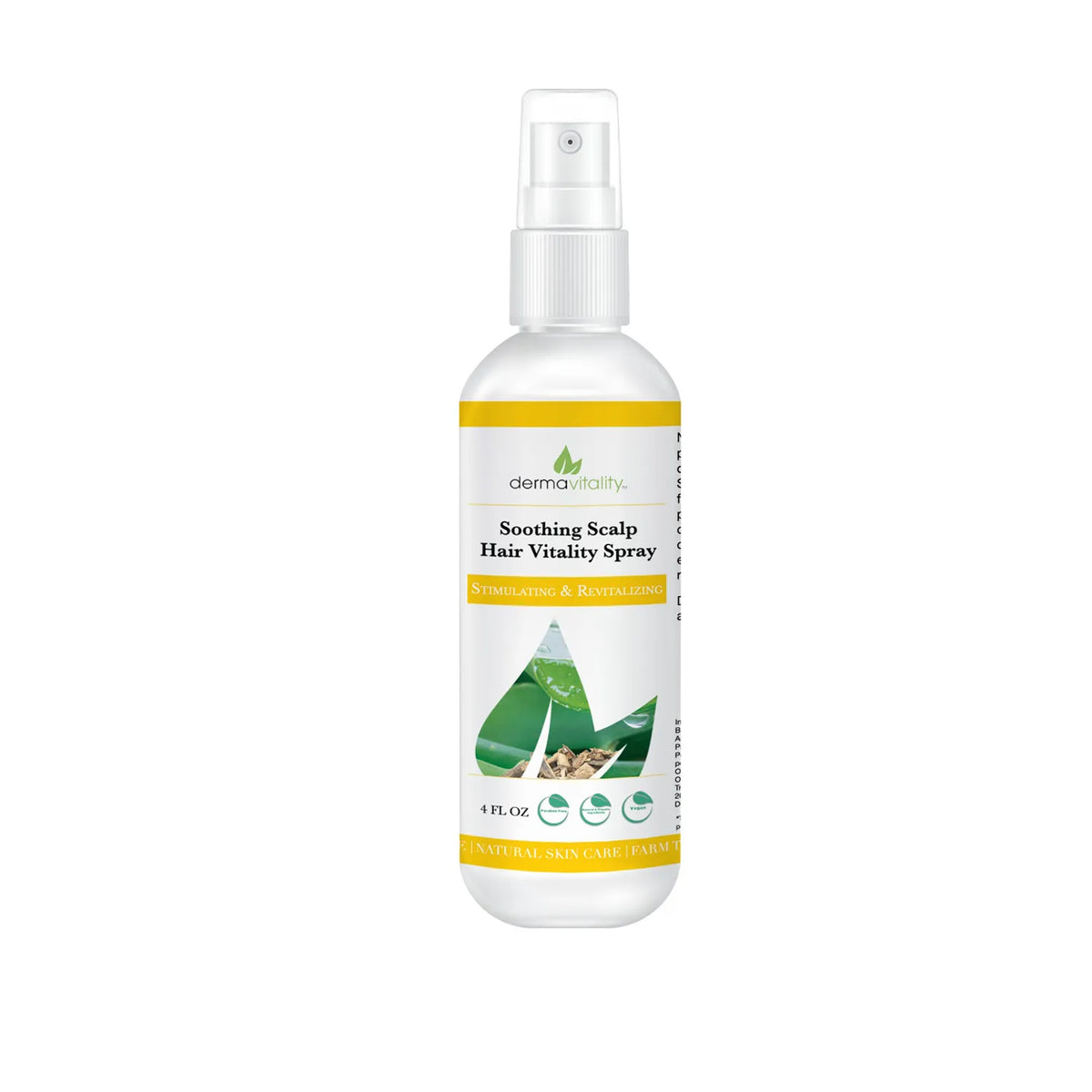
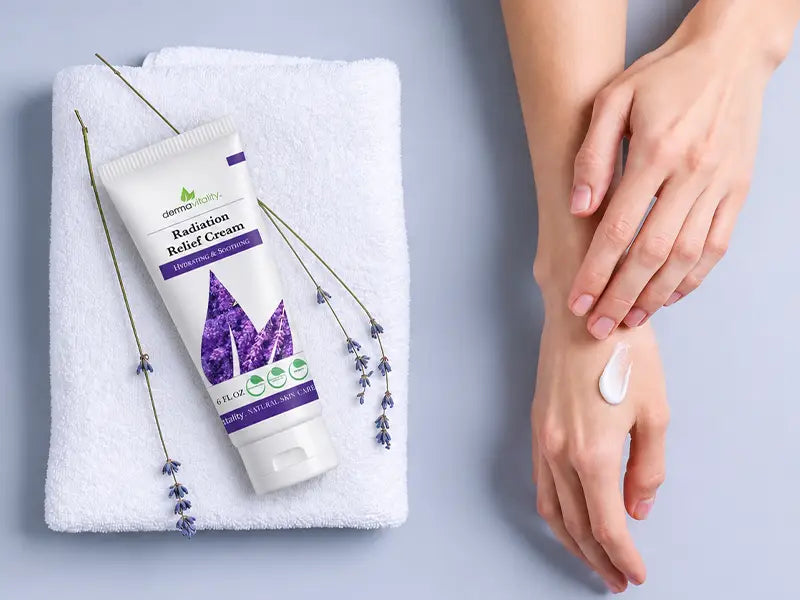
The Dermavitality radiation care collection was developed by an oncology nurse to soothe the burning and itching that come with radiation therapy. That makes it a symptom-specific choice rather than a general natural moisturizer. It is free of parabens, phthalates and petrochemicals, and it comes in a fragrance-free version for people sensitive to fragrance. Whichever approach you choose, ask your oncology team before the first use.
What should you compare when choosing natural skincare during treatment?
- Is it fragrance-free, rather than only labeled unscented?
- Is it alcohol-free?
- Is it dye-free?
- Was it formulated for sensitive or compromised skin?
- Does it list every ingredient?
Fragrance-free and pH-balanced
Fragrance-free is not the same as unscented, so read the wording closely. The CaSMO oncology guideline recommends a pH of 4.0 to 6.0 for oncology skincare formulations. Hypoallergenic, alcohol-free and dye-free labels point the same way.
Barrier-supportive natural ingredients
Natural ingredients common in oncology skincare include aloe vera, calendula, colloidal oatmeal, shea butter, jojoba oil and hyaluronic acid, chosen to hydrate and soothe. Columbia's cancer center notes that hyaluronic acid draws water into the skin and shea butter softens rough skin.
Transparency and patch testing
Skip any "proprietary blend" that hides its ingredients. Before first use, dab a small amount on your inner forearm and wait one to two days. Stop if you see redness, itching or stinging, and show the product to your care team before you start it.
How do the ingredient options compare?
Three ingredient groups cause most of the trouble for skin under cancer treatment.
| Ingredient group | Why it is risky | Use instead |
|---|---|---|
| Fragrance and essential oils | Can sting and trigger rashes on a weakened barrier | Products labeled fragrance-free |
| AHAs, BHAs, retinoids, benzoyl peroxide | Irritate skin and can raise sun sensitivity | A gentle cleanser and a plain, barrier-supportive moisturizer |
| Parabens, sulfates (SLS), alkaline soaps | Strip skin lipids and dry the skin | Mild, low-pH cleansers and sulfate-free, paraben-free formulas |
Fragrance and essential oils
Essential oils are fragrance ingredients. The AAD says unless a product says it is fragrance free, it is likely to contain fragrance, and even unscented products contain it.
Harsh exfoliants and acids
The USCOM algorithm in the Journal of Drugs in Dermatology advises caution with AHAs because they can change skin pH and irritate. Columbia's guidance adds that you should skip scrubs and high-concentration acids unless your care team recommends them.
Preservatives and surfactants
USCOM names soaps, surfactants and detergents with an alkaline pH (above 7) as products that remove skin lipids. The AFSOS and MASCC consensus also advises avoiding basic or neutral cleansers.
What should you ask before you buy, and how do radiation and chemo skin differ?
Ask every brand the three questions below, then match the product to the skin reaction you have.
Questions to ask any skincare brand
| Question | Look for | Red flag |
|---|---|---|
| Was this line formulated for people in active cancer treatment? | Oncology-specific formulation | Generic sensitive-skin marketing |
| Is the full ingredient list published? | Complete transparency | A proprietary blend with no detail |
| Can my care team get samples? | A provider sample program | Sales only direct to consumers |
Radiation skin versus chemo skin
Radiation causes burning, peeling and radiation dermatitis in the radiation field, so a gentle moisturizer on that area comes first. Chemotherapy works through the whole body.
It brings dryness (xerosis), itching (pruritus), rash and, with some drugs, hand-foot syndrome, a painful reaction on the palms and soles. Full-body hydration matters more there. Dermavitality's guide to using a cream during radiation covers timing around sessions.
Timing and sun protection
Columbia's cancer center advises moisturizing at least twice a day, within a few minutes of bathing while skin is damp. Keep moisturizer off broken skin, as the AAD advises. Chemotherapy also raises sensitivity to sunlight, so use broad-spectrum sunscreen with SPF 30 or higher.
How much does oncology skincare cost, and what makes a line trustworthy?
Trust depends on who built the line and who vouches for it.
- Does the line cover your whole course of care, from radiation to chemo?
- Is the ingredient list fully published?
- Can your care team get samples?
- Does the brand back its giving with verifiable numbers?
What moves the price
Prices change, so confirm at checkout.
Founder and formulation credibility
The Dermavitality line was co-founded by Mark Brown, an oncology nurse, and Lesley Nygaard, a breast cancer survivor. That puts clinical and lived-experience perspective in one product line.
Provider access and giving back
A free provider sample program lets nurses, radiation therapists and physicians try products before recommending them. A share of every purchase supports the National Breast Cancer Foundation's HOPE Kit program, which has distributed more than 18,000 samples, valued at more than $35,000, since 2021.
Which should you choose for your situation?
Match the product to where you are in care. The first two situations below have a direct fit.
- Choose a radiation-specific cream if you are in active radiation therapy with burning or peeling in the radiation field.
- Choose a daily barrier moisturizer if you are managing chemo dryness and itching between cycles.
- Choose a gift set if you are buying for someone in cancer treatment and want something supportive, not clinical.
- Choose the provider sample route if your nurse or navigator is involved in your product decisions.
Frequently asked questions
Can I use natural skincare products during radiation therapy?
Yes, you can use natural skincare during radiation therapy when the product is fragrance-free. Alberta Health Services' radiation dermatitis guideline describes moisturizing twice daily, and it recommends SPF 30+ on treated skin that is exposed to the sun. Follow your team's instructions on timing, since some creams need to stay off the skin before a session.
Are essential oils safe in skincare during chemotherapy?
Not always, so use them only when your care team has reviewed the product. Skin Inc. notes that natural herbal preparations can cause contact dermatitis. It also says high amounts of essential oils used as natural preservatives can be less safe than some synthetic preservatives.
What ingredients should I avoid in skincare during cancer treatment?
Check products that are not moisturizers too. The AAD advises skipping antiperspirant and talcum powder during radiation therapy, because their ingredients can increase the amount of radiation you get. Columbia's cancer center also says to avoid products containing alcohol, harsh soaps and exfoliating scrubs.
Is oncology skincare safe to use alongside my cancer care?
Oncology skincare products are cosmetics, not drugs. The FDA does not require cosmetics or their ingredients, other than color additives, to be approved before sale, though they must be safe when used as labeled. That makes the ingredient list your most useful check.
Can I use HSA or FSA funds for oncology skincare products?
Often yes, since Dermavitality products are accepted for HSA/FSA spending. Some plans still decide product by product, so have the exact product name and ingredient list ready if you call your administrator. Keep your receipt either way.
Start with your care team
Ask your oncology nurse or navigator about a free provider sample program, so you can try a product at no cost before you buy full size. Then match it to your stage: shop the radiation care collection at dermavitality.com for burning and itching during radiation therapy, or daily care for ongoing barrier support between chemo cycles. Either way, you get a product your team has reviewed before it touches your skin.

