


The American Cancer Society says most chemo drugs take at least 48 hours for the body to break down and clear, though some pass faster...
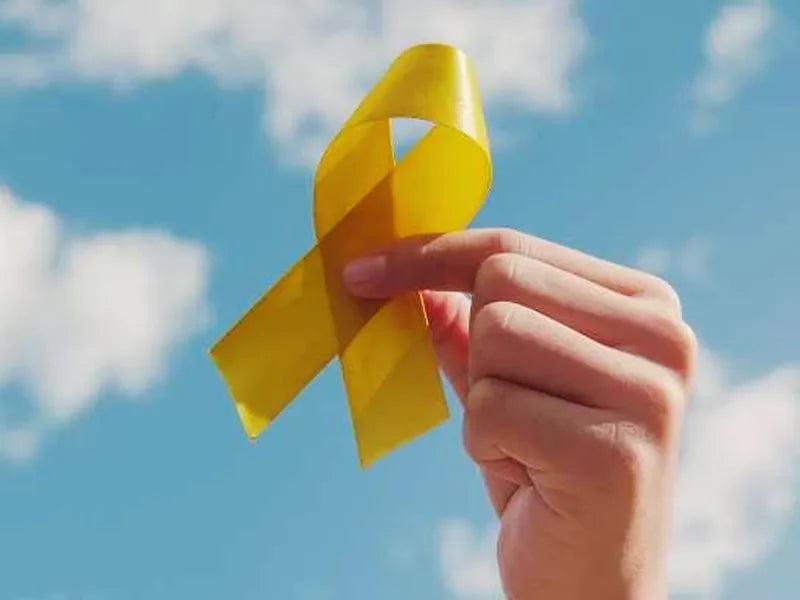
In cancer awareness, the yellow ribbon stands for sarcoma, a group of cancers that develop in bones or connective tissues, and for bone cancer.

Oncology nurses most often recommend lukewarm washing with a mild, fragrance-free cleanser, patting skin dry, and using a gentle...


Table of Contents What Is Axillary Cording? My Experience with Cording What Does Axillary Cording Feel Like? Why Does Cording Happen? How Physical Therapy Helped Me Wh...
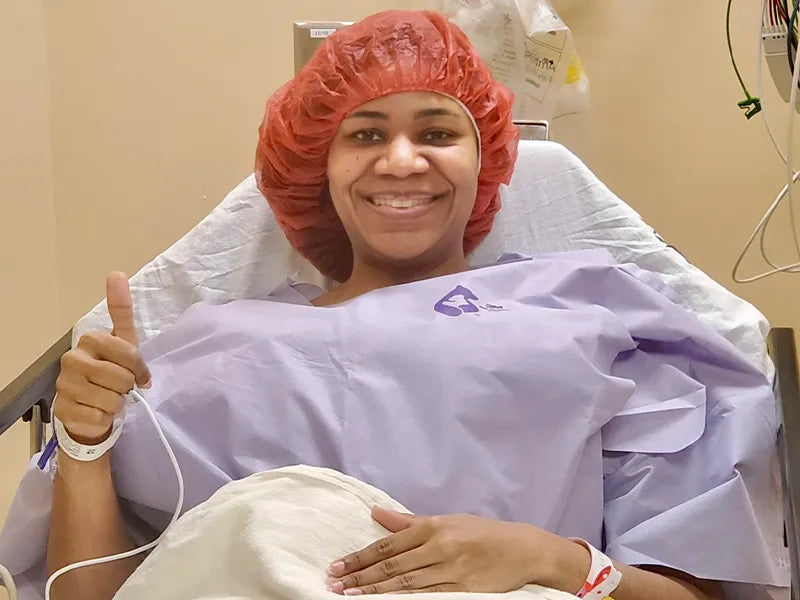
As both a physical therapist and breast cancer survivor, Dr. Crystal Champion shares what patients may experience during mastectomy recovery—from tightness and fatigue to restoring movement and con...
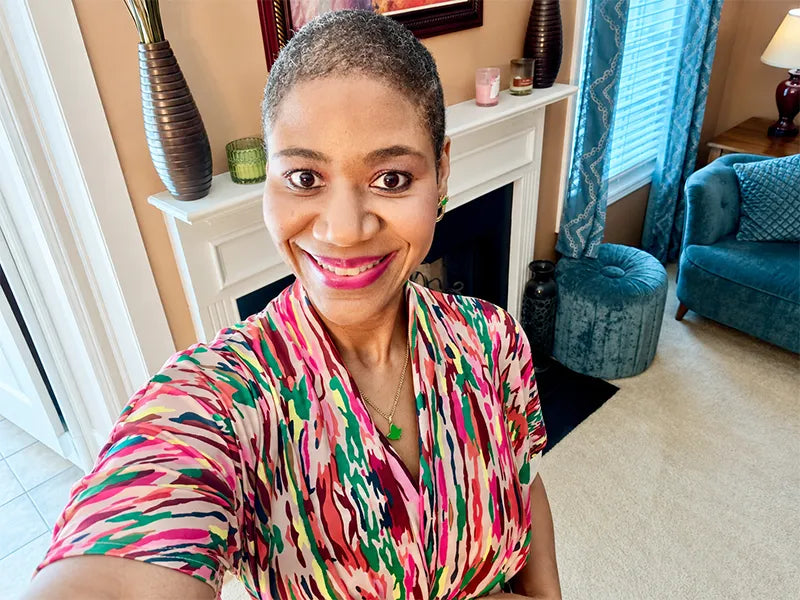
Dr. Crystal Champion is a physical therapist specializing in lymphedema management, cancer rehabilitation, and survivorship care. A three-time cancer survivor, she combines advanced clinical traini...
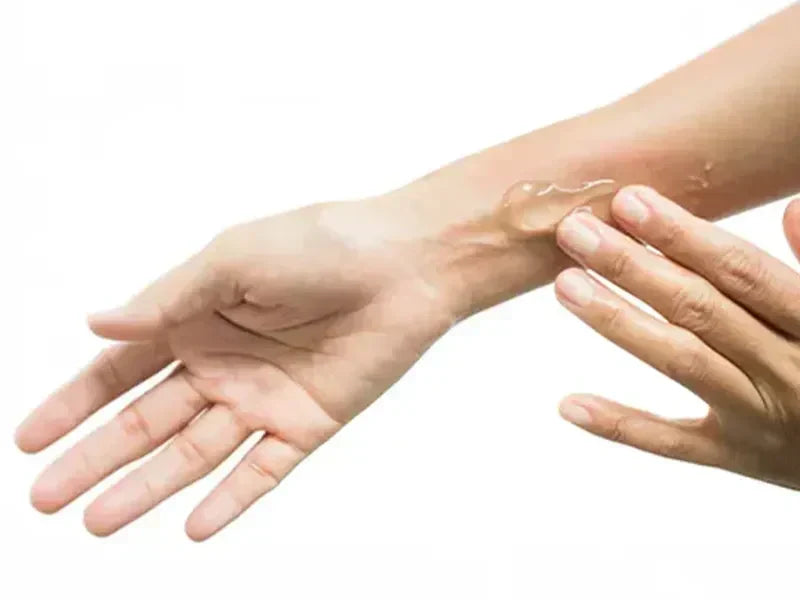
Chemotherapy and modern cancer treatments can affect far more than cancer cells. Many patients experience changes to their skin, scalp, nails, and nerve sensations that can impact comfort, sleep, m...
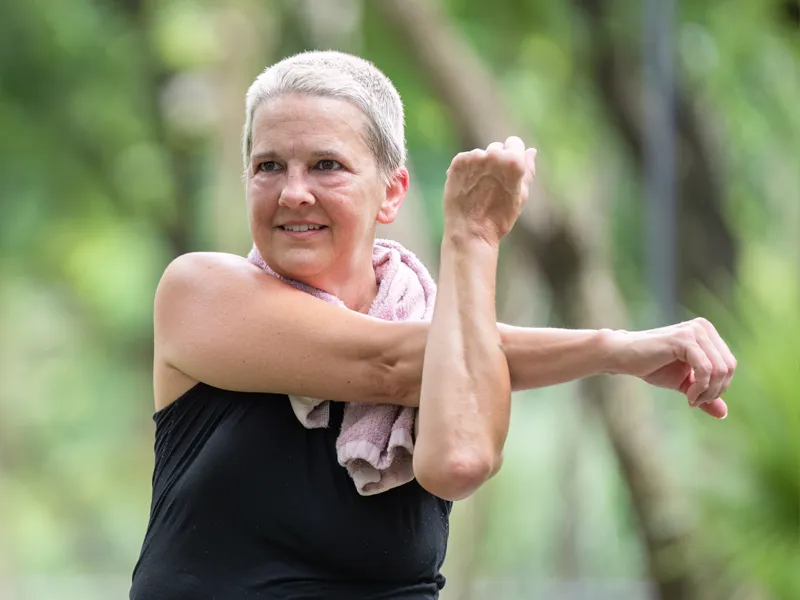
Gentle exercise during cancer treatment may help reduce fatigue, improve strength, and support emotional well-being. Learn why safe, personalized movement is now encouraged during chemotherapy and ...
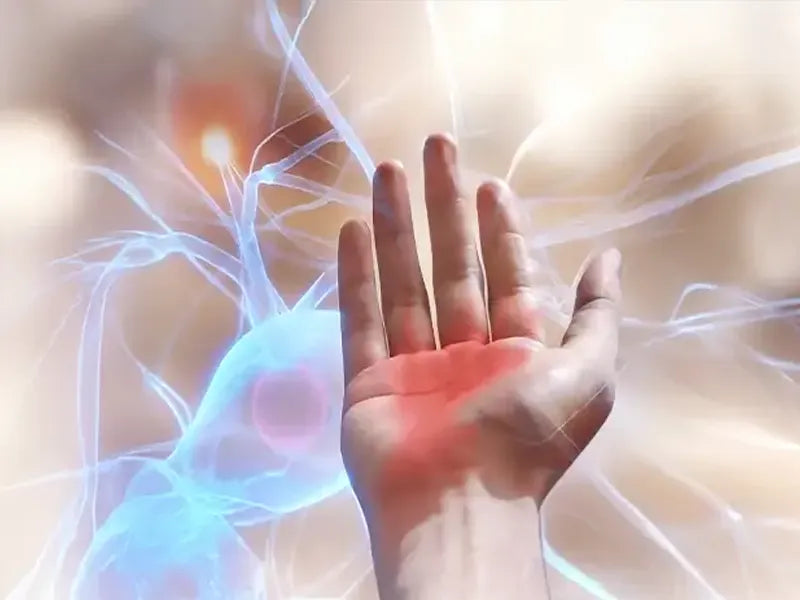
Peripheral neuropathy is a nerve condition that may cause tingling, burning, or numbness in the hands and feet. It can result from chemotherapy, medications, or chronic conditions and is often mana...