
What Does the Yellow Ribbon Mean? A Guide to Cancer Awareness Symbols
- Why Do Cancer Awareness Ribbons Come in So Many Colors?
- What Does the Yellow Ribbon Mean for Cancer?
- Does a Yellow Ribbon Ever Mean Something Else?
- What Do Other Cancer Awareness Ribbon Colors Mean?
- How Can You Show Support Beyond Wearing a Ribbon?
- Here's How Dermavitality Can Help
- Frequently Asked Questions
- References
In cancer awareness, the yellow ribbon stands for sarcoma, a group of cancers that develop in bones or connective tissues, and for bone cancer. July is Sarcoma Awareness Month. Yellow ribbons also carry other meanings outside cancer, so context matters. This guide explains the sarcoma ribbon and what other awareness colors represent.

Why Do Cancer Awareness Ribbons Come in So Many Colors?
You spot a yellow ribbon on a coat lapel, a car magnet, or a walk-day T-shirt, and you wonder what it stands for. If you have ever searched for the yellow ribbon meaning for cancer, you are in good company. Ribbons are everywhere, and most of us have never been told what each color says.
That is a normal thing to wonder. A ribbon is a small, quiet way to say "I see you" without needing the right words. Different colors point to different cancers, which helps people find their community, honor someone they love, and start a conversation.
This guide explains what the yellow ribbon means for cancer, what the sarcoma ribbon represents, how other awareness colors compare, and simple ways to show support that go beyond wearing one.
What Does the Yellow Ribbon Mean for Cancer?
Is the Yellow Ribbon for Sarcoma or Bone Cancer?
Both. According to the National Foundation for Cancer Research, yellow ribbons symbolize sarcomas, a group of cancers that develop in bones or connective tissues, and they are also linked to primary bone cancers. If you see a yellow cancer ribbon, sarcoma and bone cancer are the most likely causes it supports.
What Is Sarcoma?
Sarcoma is an uncommon cancer that develops in bone or soft tissue, according to Mayo Clinic. It falls into two broad groups: bone sarcomas, such as osteosarcoma, chondrosarcoma, and Ewing sarcoma, and soft tissue sarcomas. Soft tissues are the structures that bind, brace, and enclose other parts of the body, including muscle, fat, blood vessels, nerves, and tendons.
Sarcomas are rare, so fewer people know about them, which is part of why a recognizable symbol matters. Mayo Clinic notes they account for less than 1% of cancers diagnosed in adults. The American Cancer Society adds that Ewing sarcoma is most common in adolescents and young adults, though it can occur at any age.
What Does the Sarcoma Ribbon Look Like?
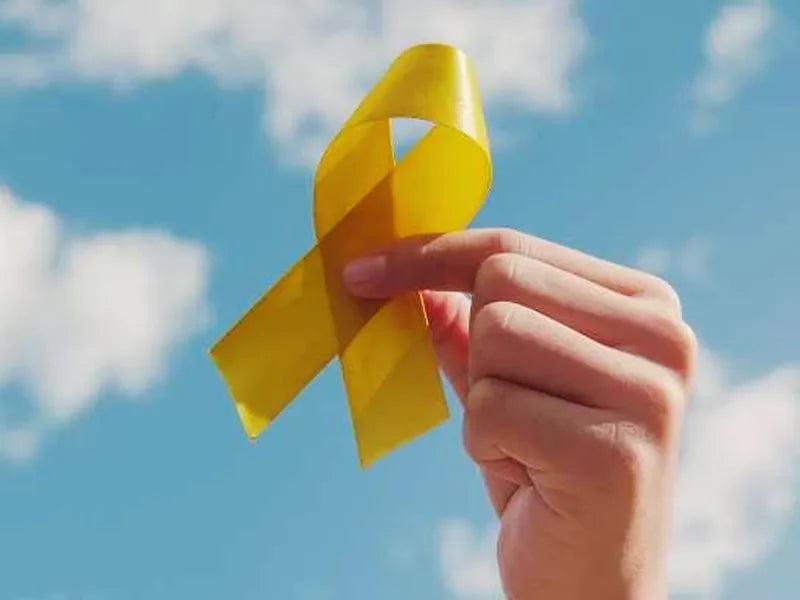
The sarcoma ribbon is a yellow ribbon, usually folded into the familiar loop shape. You will often see it on shirts, pins, wristbands, and social media posts around awareness events. Since yellow is used for more than one cause, a small label or logo nearby helps confirm which one it supports.
When Is Sarcoma Awareness Month?
July is the awareness month listed for sarcoma and bone cancer. It is a good time to learn about these cancers, share information, and support people living with them.
Does a Yellow Ribbon Ever Mean Something Else?
Yes. Outside cancer, yellow ribbons are widely used to show support for military service members and for other causes, so the meaning depends on where you see it. A yellow ribbon paired with a cancer organization's name, a July event, or the word sarcoma points to cancer awareness.
This is true for other colors too. Awareness colors overlap, and no single color belongs to only one cause. When you are unsure, ask the person wearing it. Most people are glad to share who they are supporting.
What Do Other Cancer Awareness Ribbon Colors Mean?
Here are some of the most common ribbon colors and the cancers they represent, with the awareness month usually listed for each, based on the National Foundation for Cancer Research. Months can vary by organization.
| Ribbon color | What it represents | Awareness month |
|---|---|---|
| Yellow | Sarcoma and bone cancer | July |
| Pink | Breast cancer | October |
| Gold | Childhood cancers | September |
| Lavender | All cancers | February |
| Teal | Ovarian cancer | September |
| Gray | Brain cancer | May |
| Dark blue | Colorectal cancer | March |
| Light blue | Prostate cancer | September |
| Pearl or white | Lung cancer | November |
| Purple | Pancreatic cancer | November |
| Black | Melanoma and skin cancer | May |
| Orange | Leukemia and kidney cancer | September and March |
Which Ribbon Color Stands for All Cancers?
Lavender is the color most often used for cancer awareness in general. It is a good choice when you want to support everyone affected rather than one specific type.
What Does the Pink Ribbon Mean?
Pink is the color most people know best. It stands for breast cancer, and October is Breast Cancer Awareness Month. The National Breast Cancer Foundation supports patients through programs such as its HOPE Kit.
Why Do Some Ribbon Colors Overlap?
There is no single rulebook for awareness colors. Orange, for example, represents two different cancers, leukemia and kidney cancer. Several blood cancers also share red as a broad symbol while keeping their own colors. When a color could mean more than one thing, look for a nearby name or event.

How Can You Show Support Beyond Wearing a Ribbon?
A ribbon is a lovely start. Practical, steady support often means the most. The American Cancer Society suggests offering specific help, such as a weekly meal, recurring chores, pet-sitting, or grocery shopping, and checking with your friend before starting any project.
What Should You Say to Someone in Treatment?
Keep it simple and kind. "Thinking of you" goes a long way. If you are unsure what to say, our guide on what not to say to someone with cancer can help you find words that land gently.
What Is a Thoughtful Gift for Someone in Treatment?
Small, practical comforts work best: soft socks, an unscented lip balm, a cozy blanket, or a ready-made kit. Our gift guide for cancer patients walks through options, and the gift sets collection has kits made for specific stages of treatment.
How Can You Support Someone After Treatment Ends?
Finishing treatment is not always the finish line people expect. Survivorship can bring its own challenges once appointments slow down. Our post on the unseen side of cancer survivorship offers a look at that stage, and a simple check-in message months later can mean a great deal.
How Can You Help Someone Stay Hopeful?
Hope looks different for everyone, and it cannot be forced. Gentle encouragement, shared routines, and small moments of normalcy help. Our tips on staying positive during cancer treatment share ideas that feel supportive rather than pushy.
Here's How Dermavitality Can Help
Awareness ribbons say "I am with you." Dermavitality helps with the daily comfort part. Whatever the cancer type, radiation and chemotherapy can leave skin dry, tender, or more sensitive, and Dermavitality is made specifically for those changes. It was developed by an oncology nurse and a breast cancer survivor who know what treatment feels like from both sides. Here's what Dermavitality offers:
- Made for treatment-sensitive skin: Products are designed for the skin changes that come with radiation, chemo, and related treatments.
- Free from parabens, phthalates, and petrochemicals: Plant-rich botanical formulas with a short ingredient list you can share with your care team.
- Available directly or through your care team's sample program: Order online, or ask about the provider sample program.
- Gives back: 20% of proceeds support the National Breast Cancer Foundation's HOPE Kit program.
- Made in the USA: Formulated and produced here in the United States.
- Developed by an oncology nurse and a breast cancer survivor: Every product reflects lived and clinical experience.
Dermavitality is more than a skin care line. It is comfort and support shaped by people who have been on both sides of a cancer diagnosis. You can browse the chemo skin care collection and the radiation skin care collection, or explore the oncology support bundles if you want several products together. Read the full medical disclaimer before you begin any new product.
Want comfort for treatment-sensitive skin? Shop the radiation and chemo collections today. Not ready yet? Start with our guide to skin care for chemotherapy and radiation treatment.
Frequently Asked Questions
What does the yellow ribbon mean for cancer?
In cancer awareness, the yellow ribbon stands for sarcoma, a group of cancers that develop in bones or connective tissues, and for bone cancer. July is the awareness month usually listed for it. Yellow ribbons are also used for other causes, so context helps confirm which one is being supported.
What color is the sarcoma ribbon?
The sarcoma ribbon is yellow. It is also used for bone cancer awareness, and July is the awareness month listed for both. You will often see it on shirts, pins, and wristbands at awareness events, usually alongside a label or logo that names the cause it supports.
Is the yellow ribbon only for sarcoma?
No. Within cancer awareness it is tied mainly to sarcoma and bone cancer, but yellow ribbons also show support for military service members and other causes. Awareness colors can overlap, so look for a nearby name, event, or organization to confirm what a particular yellow ribbon represents.
What color ribbon is for all cancers?
Lavender is the color most often used for general cancer awareness, with February listed as its month. It works well when you want to support everyone affected by cancer rather than one specific type, and it is a popular choice at community events and fundraisers.
What is sarcoma awareness month?
July is the awareness month listed for sarcoma and bone cancer. It is a good time to learn about these uncommon cancers, share accurate information, wear a yellow ribbon, and support people living with them. Some organizations may observe different dates, so check local events.
How can I support someone with cancer besides wearing a ribbon?
Offer specific, practical help such as a weekly meal, grocery shopping, rides, or pet-sitting, and check with them first. Small gifts like soft socks or unscented lip balm help too. Keep messages short and kind, and keep checking in after treatment ends.
References
- National Foundation for Cancer Research. "Cancer Ribbon Colors and What They Represent."
- Mayo Clinic. "Sarcoma: Symptoms and Causes."
- American Cancer Society. "Ewing Sarcoma."
- American Cancer Society. "Being a Friend to Someone with Cancer."
Read more


A thoughtful cancer care package holds small, practical comforts: soft socks, unscented lip balm, easy snacks, a cozy layer...

The American Cancer Society says most chemo drugs take at least 48 hours for the body to break down and clear, though some pass faster...