
Understanding Lymphedema After Breast Cancer Treatment
- About the Author
- What Is Lymphedema?
- Who Is at Risk?
- Early Warning Signs You Shouldn't Ignore
- Can Lymphedema Be Prevented?
- Why Exercise Matters
- The Important Role of Physical Therapy
- How Is Lymphedema Treated?
- Skin Care
- Long-Term Self-Management
- Protecting Your Skin: A Simple but Powerful Strategy
- Maintaining Long-Term Health After Breast Cancer
- When Should You Contact Your Healthcare Team?
- A Personal Message from a Survivor and Lymphedema Therapist
- Final Thoughts
- References
- Medical Review & Evidence
- Disclaimer
Understanding Lymphedema After Breast Cancer Treatment
A Survivor’s Perspective on Prevention, Early Detection, and Long-Term Wellness
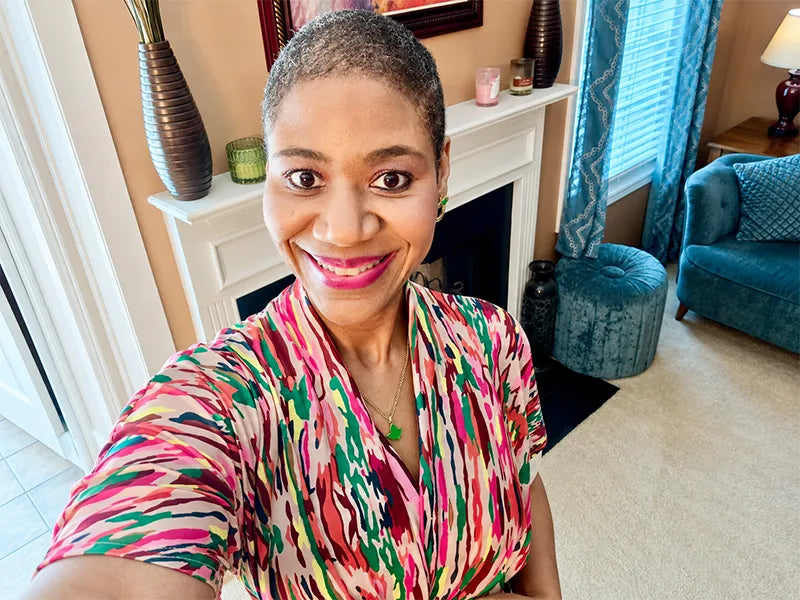
Dr. Crystal Champion, PT, DPT, CLT-ALM, Cert. DN

About the Author
Dr. Crystal Champion is a physical therapist specializing in lymphedema management, cancer rehabilitation, and survivorship care. She earned her Doctor of Physical Therapy and Master of Physical Therapy degrees from the Medical College of Georgia and holds a Bachelor of Science in Exercise Science from Georgia College & State University. Dr. Champion is a Certified Lymphedema Therapist through the Academy of Lymphatic Studies, holds an Advanced Lymphedema Management certification, and is certified in Dry Needling through the Spinal Manipulation Institute.
As a survivor of early-stage endometrial cancer and a two-time breast cancer survivor, Dr. Champion brings both clinical expertise and personal experience to her work. She is passionate about helping individuals navigate recovery, regain function, and improve quality of life after cancer treatment. Dr. Champion is actively involved in cancer advocacy through the Every Color Matters Cancer Awareness Foundation, serves as an Elevate Ambassador for Cancer Nation, and is an ambassador for Bristol Myers Squibb's Survivorship Today program. You can find Dr. Champion on Instagram, Facebook, and TikTok @drcrystalchampion.

What Is Lymphedema?
Lymphedema is a condition caused by the buildup of lymphatic fluid within the body's tissues. The lymphatic system is a vital part of the immune system that helps remove excess fluid, proteins, waste products, and toxins while supporting the body's ability to fight infection.
During breast cancer treatment, lymph nodes may be removed during surgery or affected by radiation therapy. When lymphatic drainage pathways are disrupted, fluid can accumulate in surrounding tissues, leading to swelling and other symptoms.
Lymphedema most commonly affects the:
- Arm and hand
- Breast
- Chest wall
- Underarm area (axilla)
- Shoulder
- Upper back and trunk
One of the most important things I explain to my patients is that lymphedema does not always develop immediately after treatment. It may appear weeks, months, or even years later. As a survivor myself, I understand how easy it can be to believe you're "past that stage" of recovery. Unfortunately, lymphatic changes can occur long after active treatment ends.
Although there is currently no cure for lymphedema, early detection and proper management can significantly reduce symptoms, improve comfort, and preserve function and quality of life.
Who Is at Risk?
Not everyone who undergoes breast cancer treatment develops lymphedema, but certain factors increase the likelihood.
Risk factors may include:
- Axillary lymph node dissection (ALND)
- Sentinel lymph node biopsy (SLNB)
- Removal of multiple lymph nodes
- Radiation therapy to the breast, chest wall, or lymph node regions
- Combined surgery and radiation treatment
- Certain chemotherapy medications
- Post-surgical scar tissue formation
- Infection in the affected area
- Obesity or significant weight gain after treatment
- Physical inactivity
- Smoking
- Prior swelling or inflammation
The risk generally increases when more lymph nodes are removed or when radiation affects lymphatic pathways.
As someone who has both professional expertise and personal experience with breast cancer, I often remind survivors that risk does not equal certainty. Some individuals with multiple risk factors never develop lymphedema, while others develop symptoms despite receiving less extensive treatment.
That is why awareness—not fear—is so important.

Early Warning Signs You Shouldn't Ignore
One of the greatest advantages we have in managing lymphedema is recognizing symptoms early.
Many survivors experience subtle changes before visible swelling develops.
Common early signs include:
- A feeling of heaviness, fullness, or tightness
- Mild swelling in the arm, hand, breast, chest, or trunk
- Rings, watches, bras, or sleeves feeling tighter
- Tingling or unusual sensations
- Aching or discomfort
- Reduced flexibility or range of motion
- Difficulty moving the shoulder, wrist, or hand
- Warmth or redness
- Skin that feels firmer or thicker
- Changes in skin texture
As both a therapist and survivor, I have learned to respect those subtle signals. Many patients tell me, "I can't explain it, but something feels different." In many cases, that intuition is worth paying attention to.
If you notice persistent changes—even when swelling isn't obvious—speak with your healthcare provider or a certified lymphedema therapist. Early intervention often leads to better outcomes.
Can Lymphedema Be Prevented?
There is currently no guaranteed way to prevent lymphedema. However, evidence suggests that healthy lifestyle habits may reduce risk and support overall lymphatic function.
Stay Active
Movement helps stimulate lymphatic flow.
Beneficial activities may include:
- Walking
- Stretching
- Gentle yoga
- Swimming (after healing is complete)
- Resistance training
- Prescribed rehabilitation exercises
- Skin that feels firmer or thicker
As a survivor, returning to exercise after treatment was both physically and emotionally healing. Many patients fear movement because they worry they might trigger lymphedema. Fortunately, we now know that appropriately progressed exercise is generally safe and beneficial.
Maintain a Healthy Weight
Research consistently shows that obesity and significant weight gain are associated with increased lymphedema risk. Maintaining a healthy body weight supports lymphatic function and overall wellness.
Learn Your Baseline
Knowing what feels normal for your body can help you recognize changes sooner.
Many cancer rehabilitation programs recommend baseline measurements before treatment and ongoing monitoring afterward.
Attend Follow-Up Care
Regular follow-ups allow healthcare providers to identify subtle changes before symptoms become significant.
As a professional, I cannot overstate the value of early monitoring. As a survivor, I understand how tempting it can be to move on from medical appointments once treatment ends. However, ongoing surveillance remains an important part of survivorship care.
Why Exercise Matters
For years, breast cancer survivors were told to avoid lifting weights or performing strenuous activities with the affected arm.
Thankfully, science has evolved.
Today, research demonstrates that appropriately supervised exercise can help:
- Improve lymphatic circulation
- Enhance flexibility and mobility
- Increase strength and endurance
- Improve posture
- Support healthy weight management
- Reduce fatigue
- Improve emotional well-being
- Enhance quality of life
As both clinician and survivor, I've witnessed firsthand how movement restores confidence. Every patient deserves to know that exercise can be a powerful tool rather than something to fear.
The Important Role of Physical Therapy
Physical therapy can be one of the most valuable resources available during breast cancer recovery.
A certified lymphedema therapist or oncology physical therapist can help:
- Screen for early lymphedema
- Monitor changes
- Improve mobility
- Address scar tissue restrictions
- Teach safe exercise progression
- Provide manual lymphatic drainage when appropriate
- Recommend compression garments
- Develop individualized self-management plans
As someone who practices lymphedema therapy and has personally experienced breast cancer treatment, I often tell patients that rehabilitation is not only about treating problems—it's also about preventing them.
You do not need to wait until symptoms become severe to seek guidance.
How Is Lymphedema Treated?
While lymphedema cannot currently be cured, it can be effectively managed.
The gold standard treatment is Complete Decongestive Therapy (CDT), which may include:
Manual Lymphatic Drainage (MLD)
A specialized, gentle technique performed by a certified lymphedema therapist to encourage lymph flow through healthy pathways.
Compression Therapy
Compression garments and bandaging help maintain fluid balance and support lymphatic function.
Options may include:
- Compression sleeves
- Compression gloves
- Compression bras
- Compression wraps
- Custom garments
- Specialized pressure pads
Therapeutic Exercise
Exercise plays an essential role in treatment by:
- Stimulating lymphatic flow
- Improving mobility
- Increasing strength
- Supporting daily function
Skin Care
Protecting the skin helps reduce infection risk and supports long-term lymphatic health.

Long-Term Self-Management
Many individuals successfully manage lymphedema through:
- Wearing compression garments when appropriate
- Regular exercise
- Self-lymphatic drainage techniques
- Weight management
- Ongoing monitoring
- Skin protection
One of the most encouraging things I share with patients is this: a lymphedema diagnosis does not mean life stops. Many people continue to travel, exercise, work, and enjoy their favorite activities while successfully managing the condition.
Protecting Your Skin: A Simple but Powerful Strategy
Healthy skin serves as your body's first line of defense.
Because infections can worsen or trigger lymphedema, skin care is particularly important.
Protect Your Skin By:
- Keeping skin clean and moisturized
- Using sunscreen regularly
- Wearing gloves during gardening and household tasks
- Treating cuts and scrapes promptly
- Staying hydrated
- Avoiding excessively restrictive clothing
As both a therapist and survivor, I view daily skin care as an important act of self-care—not simply a beauty routine. Taking a few moments each day to care for your skin is another way of caring for your overall health.
Maintaining Long-Term Health After Breast Cancer
Lymphedema awareness is not about living in fear.
It is about staying informed, tuned in to your body, and empowered to seek help when necessary.
Long-term strategies include:
- Remaining physically active
- Maintaining a healthy weight
- Protecting and moisturizing your skin
- Monitoring for changes
- Attending follow-up appointments
- Addressing symptoms early
- Prioritizing restorative sleep
- Eating a balanced diet
- Working with qualified healthcare professionals
As a breast cancer survivor myself, I have learned that survivorship is not about striving for perfection. It is about creating sustainable habits that support your health while allowing you to fully enjoy life.
When Should You Contact Your Healthcare Team?
Reach out to your healthcare provider if you notice:
- Sudden swelling
- Increasing heaviness or tightness
- Persistent discomfort
- Redness or warmth
- Skin thickening
- Fever or signs of infection
- Difficulty moving your arm or shoulder
Do not wait for symptoms to become severe. Early evaluation often provides the best opportunity for successful management.
A Personal Message from a Survivor and Lymphedema Therapist
Breast cancer changed my life both personally and professionally. As a certified lymphedema therapist, I understood the potential risks long before my own diagnosis. As a survivor, I gained a deeper appreciation for the emotional side of recovery—the uncertainty, the vigilance, and the desire to move forward while still caring for my health.
Even though I remain at risk for developing lymphedema, I choose not to live in fear of it. Instead, I focus on staying active, monitoring my body, practicing healthy habits, and sharing evidence-based education with the patients I serve.
My hope is that this information empowers you to do the same.
Knowledge, awareness, and early intervention are powerful tools. They allow us to approach survivorship with confidence, resilience, and hope.

Final Thoughts
Lymphedema is one of the most common long-term side effects of breast cancer treatment, yet it is often misunderstood. By recognizing early warning signs, maintaining an active lifestyle, protecting your skin, and seeking professional guidance when needed, you can take meaningful steps toward supporting your lymphatic health.
Remember: there is no "right" way to navigate survivorship. Every journey is unique.
With education, movement, self-awareness, and support, many survivors successfully manage their lymphedema risk and continue living active, fulfilling lives.
If you are experiencing swelling, heaviness, tightness, or other concerning symptoms after breast cancer treatment, speak with your healthcare provider or a certified lymphedema therapist. Early intervention can make all the difference.
References
- National Cancer Institute. Lymphedema (PDQ®): Health Professional Version. NCI Lymphedema PDQ
- National Institutes of Health / NCBI. Lymphedema (PDQ®). NIH/NCBI Lymphedema
- Oncology Nursing Society. ONS Guidelines™ for Cancer Treatment–Related Lymphedema. ONS Lymphedema Guidelines
- Johns Hopkins Medicine. Breast Cancer: Lymphedema After Treatment. Johns Hopkins Lymphedema After Treatment
- International Society of Lymphology. Consensus Document on the Diagnosis and Treatment of Peripheral Lymphedema.
- National Comprehensive Cancer Network. NCCN Survivorship Guidelines: Lymphedema.
Medical Review & Evidence
This article was medically reviewed by Dr. Crystal Champion, PT, DPT, CLT-ALM, a Certified Lymphedema Therapist. The content is based on current guidance from the National Cancer Institute (NCI), Oncology Nursing Society (ONS), National Comprehensive Cancer Network (NCCN), and other evidence-based resources.
Disclaimer:
The information provided here is for educational purposes only and is not a substitute for professional medical advice. Always consult your physician, advanced practice nurse, or qualified healthcare provider with questions about your condition or treatment.
Read more


Behind the smiles and “you look great” comments, many cancer survivors are still carrying invisible struggles. From fatigue and brain fog to emotional trauma and lasting side effects, healing doesn...
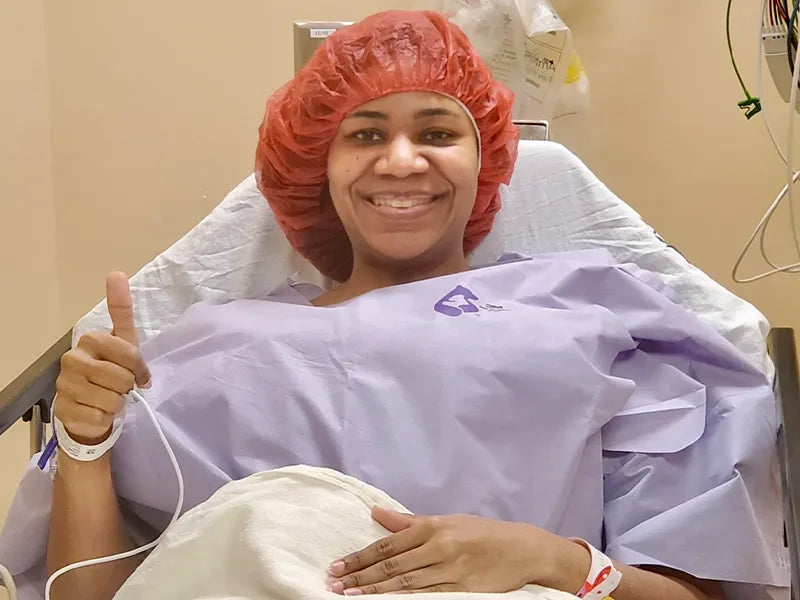

As both a physical therapist and breast cancer survivor, Dr. Crystal Champion shares what patients may experience during mastectomy recovery—from tightness and fatigue to restoring movement and con...