
Recovery After Mastectomy: What Every Patient Should Know
- About the Author
- Understanding the Stages of Recovery After Mastectomy
- Positioning Matters More Than You Think
- Protecting the Surgical Area During Healing
- Important Precautions
- Weeks 2–6: Regaining Movement & Restoring Mobility
- Key Mobility Goals
- Understanding Postoperative Fatigue
- Beyond Six Weeks: Continuing to Heal
- Managing Tightness and Discomfort
- Understanding Cording and Lymphedema
- Scar Care After Mastectomy
- When Should You See a Physical Therapist?
- Regaining Confidence After Mastectomy
- Celebrate Small Wins
- Recovery Is a Journey
- Medical Review & Evidence
- Disclaimer:
Recovery After Mastectomy: What Every Patient Should Know
Perspectives from a Breast Cancer Survivor and Physical Therapist
Dr. Crystal Champion, PT, DPT, CLT-ALM, Cert. DN
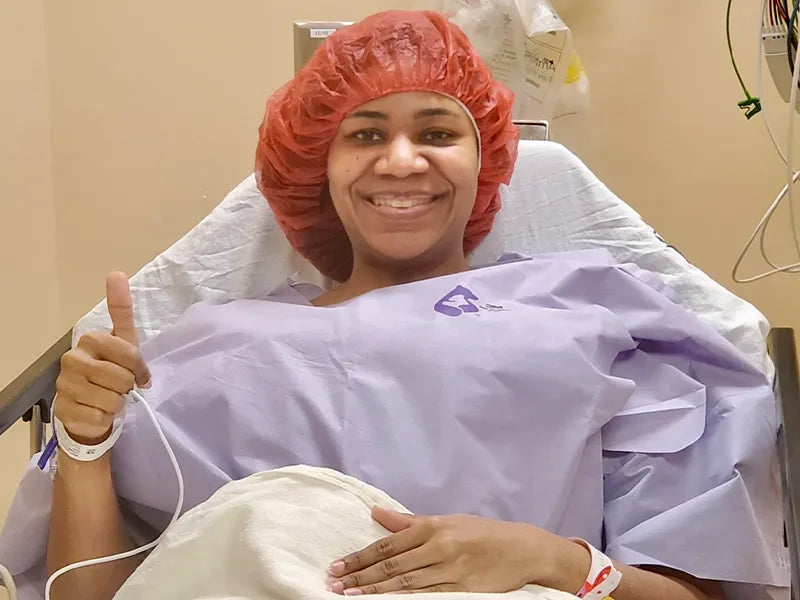
When I underwent my mastectomy, I experienced recovery from two very different perspectives: as a physical therapist who understood the rehabilitation process and as a breast cancer survivor living through it myself. Despite my clinical background, there were still moments that surprised me. The tightness across my chest, the fatigue that lingered longer than I expected, the emotional ups and downs, and even the challenge of regaining simple movements all reminded me that healing is about much more than recovering from surgery.
As both a survivor and a physical therapist, I've learned that understanding what to expect can help reduce fear and empower patients throughout the recovery process. While every person's journey is unique, most of us benefit from focusing on a few key goals: protecting healing tissues, restoring movement, managing discomfort, and gradually rebuilding confidence in our bodies. If you're recovering from a mastectomy, I want you to know that healing takes time—and that you're not alone.

About the Author
Dr. Crystal Champion is a physical therapist specializing in lymphedema management, cancer rehabilitation, and survivorship care. She earned her Doctor of Physical Therapy and Master of Physical Therapy degrees from the Medical College of Georgia and holds a Bachelor of Science in Exercise Science from Georgia College & State University. Dr. Champion is a Certified Lymphedema Therapist through the Academy of Lymphatic Studies, holds an Advanced Lymphedema Management certification, and is certified in Dry Needling through the Spinal Manipulation Institute.
As a survivor of early-stage endometrial cancer and a two-time breast cancer survivor, Dr. Champion brings both clinical expertise and personal experience to her work. She is passionate about helping individuals navigate recovery, regain function, and improve quality of life after cancer treatment. Dr. Champion is actively involved in cancer advocacy through the Every Color Matters Cancer Awareness Foundation, serves as an Elevate Ambassador for Cancer Nation, and is an ambassador for Bristol Myers Squibb's Survivorship Today program. You can find Dr. Champion on Instagram, Facebook, and TikTok @drcrystalchampion.

Understanding the Stages of Recovery After Mastectomy
One of the most important lessons I learned is that recovery doesn't end when the incision heals. While the initial healing process occurs over several weeks, rebuilding strength, mobility, and confidence often continues for months.
The First Few Days After Surgery
In the days immediately following my surgery, my priorities were simple: rest, pain control, and allowing my body to heal.
Like many patients, I experienced:
- Pain and soreness around my chest and underarm
- Swelling and bruising
- Fatigue
- Tightness across my chest
- Limited shoulder and arm movement
- Surgical drains
As a physical therapist, I knew movement was important. As a patient, however, I quickly realized how intimidating movement could feel. Fortunately, gentle activity is often encouraged early in recovery. Simple walking, along with hand, wrist, and elbow movements, can help improve circulation and reduce stiffness without placing excessive stress on healing tissues. The most important advice I can offer during this stage is to follow your surgeon's instructions carefully. Lifting restrictions, drain care, and activity limitations are there for a reason.
Positioning Matters More Than You Think
One thing I frequently see in my patients, and that I caught myself doing after surgery is protecting the surgical side by keeping the arm tightly against the body.It feels natural, but over time it can contribute to muscle tightness, poor posture, and limited mobility.
What helped me most was:
-
When Sitting
Supporting my forearm on a pillow beside me or on an armrest. -
When Lying Down
Placing a pillow beneath my arm for comfort and support. -
When Walking
Allowing my arm to swing naturally instead of holding it tightly against my body. -
Sleeping Position
After surgery, I found sleeping with my upper body elevated approximately 30–45 degrees much more comfortable. Wedge pillows or strategically placed pillows behind the back, shoulders, and arms can provide excellent support during the first few weeks.
These small adjustments helped reduce strain and encouraged healthier movement patterns throughout recovery.

Protecting the Surgical Area During Healing
Healing tissues require protection, particularly during the first several weeks after surgery.
Important Precautions
Patients should:
- Follow all lifting restrictions provided by their surgical team
- Avoid repetitive overhead activities until cleared by their surgeon
- Avoid activities that place excessive strain on the chest and shoulder region
- Wear loose, comfortable clothing that does not rub against the incision
- Wear supportive garments if recommended
- Follow all drain and wound-care instructions carefully
- Monitor the incision for signs of infection
- Protect the healing incision from sun exposure
A gradual return to everyday activities is generally safer than attempting to resume pre-surgery routines too quickly. Listening to your body's signals is essential. Increased swelling, pain, or fatigue may indicate a need for additional rest or medical evaluation.
Allowing tissues to heal properly can help reduce complications and support long-term recovery.
Weeks 2–6: Regaining Movement & Restoring Mobility
As healing progressed, I became more aware of stiffness and mobility limitations.
Many patients—including myself—notice:
- Tightness across the chest
- Difficulty reaching overhead to grab objects or to wash and style my hair
- Difficulty reaching behind the back or to fasten my bra
- Shoulder stiffness
- Trouble reaching comfortably out to the side
- Reduced mobility
- Difficulty lifting everyday objects
- Numbness, tingling, or altered sensations
This phase is often when patients become eager to "get back to normal." I certainly was.
However, one of the biggest mistakes I see is trying to push too hard too quickly. Recovery is not a race. During this period, gentle stretching and range-of-motion exercises prescribed by your healthcare team can help improve flexibility and restore movement while protecting healing tissues. Consistent, gradual progress is usually far more effective than aggressive stretching. Mild stretching sensations are normal, but sharp pain should not be ignored. Small improvements may not feel significant day to day, but over time they add up.
Key Mobility Goals
As healing progresses, patients should gradually work toward:
- Raising the arm overhead
- Reaching behind the back
- Reaching out to the side comfortably
- Maintaining an upright posture
- Performing daily activities with greater ease
Gentle stretching and range-of-motion exercises prescribed by your healthcare team can help improve flexibility and restore movement. Consistency is often more effective than aggressive stretching sessions. Mild stretching sensations are normal, but sharp pain should not be ignored. Remember that recovery is gradual. Small improvements each week can lead to significant gains in mobility over time.
Understanding Postoperative Fatigue
One aspect of recovery that surprised me was fatigue. As healthcare providers, we often talk about mobility and healing, but fatigue can be one of the most challenging symptoms after breast cancer surgery.
Surgery itself requires tremendous energy for healing. Add emotional stress, disrupted sleep, reconstruction procedures, chemotherapy, radiation therapy, or ongoing treatment, and it's easy to understand why many survivors feel exhausted.
One of the hardest lessons I learned was that rest is not weakness. I was forced to take off my "superwoman cape" and really listen to my body when it was telling me it needed rest. Your body is working incredibly hard behind the scenes. Allow yourself grace as you balance activity with recovery.
Beyond Six Weeks: Continuing to Heal
One of the biggest misconceptions about mastectomy recovery is that once the incision looks healed, recovery is complete. In reality, deeper healing continues for months.
During this phase, patients may still experience:
- Chest tightness
- Muscle weakness
- Shoulder stiffness
- Fatigue
- Postural changes
- Scar tissue restrictions
At this point, rehabilitation goals often shift toward:
- Restoring full shoulder mobility
- Improving posture
- Rebuilding strength
- Enhancing endurance
- Returning to exercise and recreational activities
- Improving overall quality of life
Patients who undergo reconstruction, lymph node removal, chemotherapy, or radiation therapy may require additional rehabilitation and often experience a longer recovery timeline.
Managing Tightness and Discomfort
If there's one complaint I hear most often from breast cancer survivors, it's this: "I feel so tight." I felt it too. That pulling or restricted sensation across the chest, underarm, or upper arm is extremely common after mastectomy.
It can be caused by:
- Normal healing
- Swelling
- Scar tissue formation
- Muscle guarding
- Postural changes
- Radiation-related tissue changes
What helped me and many of my patients was:
- Following a stretching program
- Walking daily
- Maintaining good posture
- Changing positions frequently
- Staying hydrated
- Using supportive pillows while sleeping
- Gradually returning to normal movement
Healing tissues need movement, but they also need patience.
Understanding Cording and Lymphedema
Some patients develop axillary web syndrome, often called cording, which causes tight, cord-like bands beneath the skin of the armpit and arm.
Cording can make lifting the arm difficult and often responds well to physical therapy treatment. I had axillary cording and even though I am a physical therapist, I could not treat it on my own and needed to go to one of my colleagues to help get it resolved.
It's also important to understand the risk of lymphedema, particularly if you had lymph nodes removed during surgery like I did.
Signs may include:
- Swelling of the arm, breast, chest, or hand
- Heaviness
- Tightness
- Changes in how clothing or jewelry fit
Early recognition and treatment are important, so don't ignore these symptoms.
Scar Care After Mastectomy
As both a survivor and therapist, I've learned that scars tell a story—but they can also affect movement.
Scar tissue can contribute to:
- Tightness
- Sensitivity
- Discomfort
- Limited mobility
Once your incision is fully healed and your surgeon gives approval, scar management may include:
- Gentle scar massage
- Silicone sheets or silicone gel
- Moisturizing
- Desensitization techniques
- Stretching
- Sun protection
Remember that scars continue to change and mature for many months, often up to a year or longer.
When Should You See a Physical Therapist?
As a physical therapist, I can confidently say that many patients would benefit from rehabilitation sooner rather than later. Early treatment can often prevent small issues from becoming long-term limitations.
Consider seeking help if you experience:
- Difficulty lifting your arm
- Ongoing shoulder stiffness
- Persistent pain
- Scar-related restrictions
- Cording
- Weakness
- Swelling
- Difficulty returning to work, exercise, or daily activities
You don't have to wait until a problem becomes severe to ask for help. Ask your healthcare team for a referral to a physical therapist.
Regaining Confidence After Mastectomy
The physical recovery is only part of the journey. Like many survivors, I have moments when I struggle with body image, confidence, and adjusting to a "new normal."
Healing is rarely a straight line. Some days will feel like major victories. Others may feel frustrating. What helped me most was focusing on progress rather than perfection.
Celebrate Small Wins
Every milestone matters:
- Reaching a little higher
- Walking a little farther
- Sleeping more comfortably
- Returning to a favorite activity
- Completing an exercise program
Stay Connected
Lean on your support system. Family, friends, healthcare providers, fellow survivors, and support groups can make an enormous difference.
Focus on What Your Body Can Do
Breast cancer changes us, but it does not define us. Appreciating each step forward can help rebuild confidence and resilience over time.
Recovery Is a Journey
As both a breast cancer survivor and a physical therapist, I can tell you that there is no perfect timeline for recovery after mastectomy.
Healing unfolds over weeks and months, not days. Some parts of recovery happen quickly, while others require patience and persistence. The good news is that with appropriate rehabilitation, regular movement, support from your healthcare team, and self-compassion along the way, most patients continue to make meaningful progress.
Recovery isn't about returning to who you were before cancer—it's about moving forward with strength, resilience, and confidence in the person you've become. And most importantly, remember this: you don't have to navigate recovery alone. There is help, support, and hope available every step of the way.
Medical Review & Evidence
This article was medically reviewed by Dr. Crystal Champion, PT, DPT, CLT-ALM, a Certified Lymphedema Therapist. The content is based on current guidance from the National Cancer Institute (NCI), Oncology Nursing Society (ONS), National Comprehensive Cancer Network (NCCN), and other evidence-based resources.
Disclaimer:
The information provided here is for educational purposes only and is not a substitute for professional medical advice. Always consult your physician, advanced practice nurse, or qualified healthcare provider with questions about your condition or treatment.
Read more

Dr. Crystal Champion is a physical therapist specializing in lymphedema management, cancer rehabilitation, and survivorship care. A three-time cancer survivor, she combines advanced clinical traini...
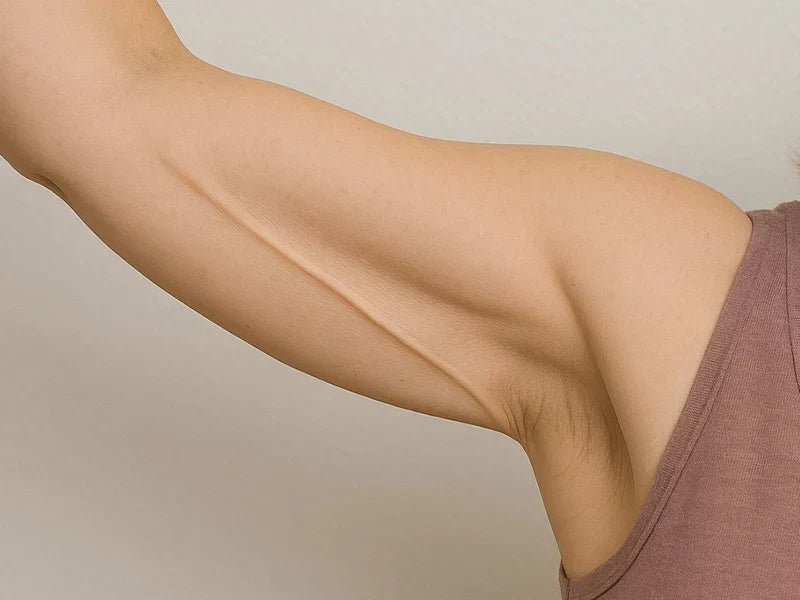
Table of Contents What Is Axillary Cording? My Experience with Cording What Does Axillary Cording Feel Like? Why Does Cording Happen? How Physical Therapy Helped Me Wh...