The Power of Self-Advocacy in Cancer Care: Finding Your Voice When It Matters Most
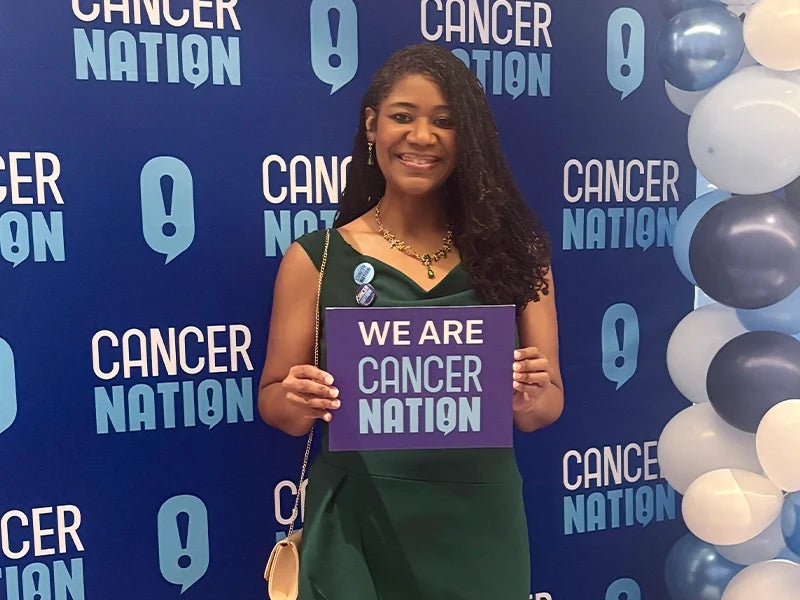
Dr. Crystal Champion, PT, DPT, CLT-ALM, Cert. DN
A cancer diagnosis can leave you feeling overwhelmed, vulnerable, and uncertain about what comes next. Suddenly, you're expected to make complex medical decisions, understand unfamiliar terminology, coordinate appointments, manage treatments, and navigate an often-complicated healthcare system. In those moments, one of the most powerful tools you have is your voice.
Self-advocacy is not about being difficult, demanding, or questioning every medical recommendation. It's about becoming an active participant in your care, asking questions, speaking up when something doesn't feel right, and ensuring your needs, concerns, and goals are heard and respected.
As a two-time breast cancer survivor, an endometrial cancer survivor, a physical therapist with 19 years of healthcare experience, and someone who has advocated for patients on Capitol Hill, I have experienced cancer from multiple perspectives: as a patient, as a healthcare provider, and as an advocate. Those experiences have taught me one universal truth: the patients who are empowered to advocate for themselves are often better equipped to navigate the challenges that come with a cancer diagnosis.
Table of Contents
- My Journey: When Professional Knowledge Meets Personal Experience
- Speaking Up About Side Effects
- The Importance of Seeking Second Opinions
- Advocating for Additional Tests and Screenings
- Navigating the Healthcare System
- Don't Be Afraid to Ask for What You Need
- Tips for Effective Communication With Your Doctors
- Advocacy Beyond the Clinic: Taking the Cancer Community’s Voice to Capitol Hill
- A Message to Every Cancer Patient and Survivor
- References

My Journey: When Professional Knowledge Meets Personal Experience
As a physical therapist, I spent nearly two decades helping patients recover, overcome barriers, and fight for the care they needed. I regularly advocated with insurance companies to obtain necessary physical therapy services, appealed denials, and taught patients how to become effective advocates for themselves. I believed I understood the healthcare system. Then I became a cancer patient.
Despite my professional background and familiarity with healthcare, cancer challenged me in ways I never anticipated. The emotional impact of hearing the words, "You have cancer," can make even the most knowledgeable person feel lost. Suddenly, I wasn't just helping others navigate the system. I was navigating it myself.
My experiences as a cancer survivor reinforced something I had long taught my patients: no one cares more about your health than you do. Your healthcare team brings expertise, but you bring the lived experience of your body, your symptoms, your values, and your goals.
The most effective care happens when those voices work together.
Speaking Up About Side Effects
One of the biggest mistakes cancer patients make is minimizing or dismissing side effects. Too often, patients don't want to "complain." They worry about appearing weak, difficult, or ungrateful. Some assume side effects are simply part of the process and must be endured. But suffering in silence can negatively impact your treatment, quality of life, and overall outcomes.
Whether it's fatigue, pain, neuropathy, swelling, skin changes, nausea, cognitive changes, joint pain, lymphedema, anxiety, or depression, your healthcare team can only address what they know about. I often tell patients: If it matters to you, it matters.
Early communication can lead to interventions that reduce symptoms, improve daily functioning, and prevent complications. As a physical therapist, I've seen firsthand how early identification of mobility issues, weakness, balance deficits, and lymphedema can significantly improve recovery. As a cancer survivor, I've learned that speaking up is not complaining. It's participating in your care.
The Importance of Seeking Second Opinions
Many patients fear that requesting a second opinion will offend their physician. In reality, most oncology professionals understand and support a patient's desire to feel confident about their treatment plan. Cancer treatment decisions can be complex, and in some cases there may be multiple appropriate treatment options.
A second opinion can:
- Confirm a diagnosis
- Validate a treatment recommendation
- Identify additional treatment approaches
- Provide access to clinical trials
- Offer reassurance and peace of mind
When facing a life-changing diagnosis, confidence in your treatment plan is invaluable.
A second opinion isn't a sign of distrust. It's a sign that you're taking your health seriously. Patients should never feel guilty for wanting additional information before making major medical decisions.
Advocating for Additional Tests and Screenings
Sometimes patients know something isn't right long before a test confirms it.
You know your body better than anyone else. If you continue experiencing symptoms despite reassurance, if something feels different, or if your concerns have not been fully addressed, it is appropriate to ask questions and request further evaluation. This doesn't mean demanding unnecessary testing. It means having thoughtful conversations with your healthcare team about your symptoms, risk factors, and concerns. As cancer survivors, many of us become highly attuned to changes in our bodies. That awareness can be a valuable asset.
Questions you might ask include:
- Could additional imaging provide more information?
- Are there alternative tests available?
- Given my cancer history, should we investigate this further?
- Are there screening recommendations specific to my risk factors?
- What would make you concerned enough to order additional testing?
Advocating for yourself sometimes means persisting respectfully when you feel your concerns have not been adequately addressed.
Navigating the Healthcare System
One of the most difficult aspects of cancer care isn't always the cancer itself. It's navigating the healthcare system.
Patients frequently encounter:
- Insurance denials
- Referral challenges
- Scheduling delays
- Prior authorization requirements
- Confusing medical terminology
- Fragmented communication between providers
Throughout my career, I have spent countless hours advocating for patients with insurance companies to obtain medically necessary physical therapy services. I've written appeals, provided supporting documentation, and fought for patients who deserved better access to care. What I learned is that persistence matters.
The same skills that help patients secure physical therapy services can be applied throughout the cancer journey:
- Keep detailed records.
- Save copies of test results.
- Maintain a list of medications.
- Document conversations and recommendations.
- Ask for clarification when something is unclear.
- Follow up when appointments or referrals are delayed.
- Appeal insurance denials when appropriate.
Many patients don't realize they can ask questions, request explanations, challenge denials, or seek assistance from patient navigators and social workers. You have more influence than you may think.
Don't Be Afraid to Ask for What You Need
Every cancer journey is unique. Some patients need emotional support. Others need rehabilitation services, financial assistance, transportation resources, nutritional counseling, or workplace accommodations. Too often, patients wait until they are overwhelmed before asking for help.
Advocating for your needs may look like:
- Requesting physical therapy for weakness, fatigue, or mobility concerns
- Asking for lymphedema evaluation and treatment
- Seeking mental health support
- Requesting pain management resources
- Exploring survivorship programs
- Asking for workplace accommodation documentation
- Discussing fertility preservation or sexual health concerns
You do not have to navigate every challenge alone. Strength isn't about doing everything yourself. Sometimes strength is simply asking for support.
Tips for Effective Communication With Your Doctors
One of the most important aspects of self-advocacy in cancer care is learning how to communicate effectively with your healthcare team. Even the best physicians cannot address concerns they don't know about, and in a busy healthcare environment, patients often need to take an active role in ensuring their questions and priorities are addressed. I've learned that preparation and communication can make a tremendous difference in the quality of care you receive. Here are some strategies that have helped me both personally and professionally:
Prepare for Appointments
Before each visit, write down:
- New symptoms or side effects
- Questions or concerns
- Medication changes
- Test results you'd like explained
- Topics you don't want to forget to discuss
Cancer appointments can be emotionally overwhelming, and it's easy to forget important questions once you're in the exam room.
Bring a Notebook or Support Person
A trusted family member or friend can help take notes, ask questions, and remember information discussed during appointments.
Two sets of ears are often better than one, especially when discussing treatment options or test results.
Be Honest About Symptoms
Don't minimize what you're experiencing.
Patients often say:
- "I didn't want to bother anyone."
- "I thought it was normal."
- "I figured I should just push through it."
I've heard these comments from patients throughout my physical therapy career, and I've caught myself thinking the same thing as a cancer survivor. Your healthcare team needs accurate information to help you effectively. Be specific about when symptoms occur, how severe they are, and how they affect your daily life.
Ask Questions Until You Understand
Healthcare terminology can be confusing.
Never hesitate to ask:
- Can you explain that another way?
- What does that mean for me?
- What are the benefits and risks?
- What are my alternatives?
- What would you recommend if I were your family member?
Understanding your diagnosis and treatment plan helps you make informed decisions and feel more confident moving forward.
Repeat Back Important Information
One communication technique I often recommend is summarizing what you've heard and repeating it back to your physician.
For example:
"What I'm hearing you say is that the scan looks stable, and we're going to repeat testing in three months. Is that correct?"
This simple strategy can prevent misunderstandings and improve communication between patients and providers.
Trust Your Instincts
If something doesn't feel right, speak up. You live in your body every day. You are often the first person to recognize changes or symptoms that deserve attention. Trusting yourself and respectfully communicating your concerns can sometimes be the key to early intervention and better outcomes.

Advocacy Beyond the Clinic: Taking the Cancer Community’s Voice to Capitol Hill
My advocacy journey extends beyond the clinic. Throughout my career as a physical therapist, I have fought for medically necessary care, appealed insurance denials, and helped patients navigate a complex healthcare system. I have also had the privilege of taking these efforts to Capitol Hill, advocating for legislation that improves access to care for patients, cancer survivors, and the broader healthcare community.
These experiences have reinforced an important lesson: change happens when people speak up.
My advocacy on Capitol Hill has taught me that policy is personal. Behind every bill, regulation, and healthcare reform discussion are real people seeking access to screenings, diagnostic testing, treatment, rehabilitation, and survivorship services. I advocate for policies that reduce insurance barriers, support cancer research, and ensure patients can access the care they need during and after treatment. Organizations such as the American Society of Clinical Oncology (ASCO) and the National Cancer Institute recognize the importance of patient advocacy in advancing cancer care, research, and survivorship initiatives.
These issues are deeply personal. I have experienced healthcare from both sides—as a provider advocating for my patients and as a patient navigating my own cancer journey. I understand firsthand how healthcare policies can influence access to timely diagnoses, treatment options, and follow-up care.
This perspective fuels my commitment to ensuring patients have a voice in the decisions that affect their lives. Advocacy doesn't end in the clinic; it extends to legislators' offices, insurance companies, and healthcare organizations, where sharing our experiences can help drive meaningful change.
The same principle applies to your individual cancer journey. You don't have to visit Capitol Hill to make a difference. Asking questions, voicing concerns, and advocating for your needs are all powerful steps toward taking an active role in your care.
Your questions matter. Your concerns matter. Your experiences matter. Your voice matters.
While self-advocacy empowers us to navigate our own cancer journeys, collective advocacy allows us to create meaningful change for the entire cancer community.
A Message to Every Cancer Patient and Survivor
Advocacy takes many forms. It may mean speaking up about a side effect, requesting a second opinion, asking for additional testing, appealing an insurance denial, or seeking resources to help manage treatment. It can also mean sharing your story with lawmakers to improve cancer care for future generations.
No matter where you are in your cancer journey, remember that your experience matters, your concerns deserve to be heard, and your voice has power. Cancer can make you feel as though you've lost control, but you still have the right to be an active participant in your care.
Here are a few ways to advocate for yourself:
- Trust yourself and speak up when something doesn't feel right.
- Ask questions and make sure you understand your options.
- Communicate openly about side effects and concerns.
- Seek a second opinion when needed.
- Ask for further evaluation when concerns remain unresolved.
- Challenge barriers to necessary care and seek available support.
I've learned that self-advocacy is more than a skill—it's a form of empowerment. Your healthcare team brings medical expertise, and your support system offers encouragement, but your perspective is essential to decisions about your health.
Never underestimate the power of your voice. Cancer may change your life, but it should never take away your right to be heard. By staying informed, asking questions, and advocating for your needs, you can take a more active role in your care and work alongside your healthcare team toward the best possible outcomes.
You don't have to navigate every challenge alone, but you deserve to have a voice in every decision that affects you. Sometimes, one of the most powerful things you can do for yourself is speak up.
References
- National Cancer Institute (NCI). Communication in Cancer Care (PDQ®) – Patient Version. https://www.cancer.gov/about-cancer/coping/adjusting-to-cancer/communication-pdq
- National Cancer Institute (NCI). Side Effects of Cancer Treatment. https://www.cancer.gov/about-cancer/treatment/side-effects
- American Cancer Society (ACS). Seeking a Second Opinion.https://www.cancer.org/cancer/making-treatment-decisions/seeking-a-second-opinion.html
- National Cancer Institute (NCI). Finding Cancer Care. https://www.cancer.gov/about-cancer/managing-care/finding-cancer-care
- American Cancer Society (ACS). Who Is the Cancer Care Team? https://www.cancer.org/cancer/preparing-for-treatment/cancer-care-team.html
- CancerCare. Communicating With Your Health Care Team. https://www.cancercare.org/publications/6-communicating_with_your_health_care_team
- Centers for Disease Control and Prevention (CDC). Side Effects of Cancer Treatment. https://www.cdc.gov/cancer-survivors/patients/side-effects-of-treatment.html
- American Society of Clinical Oncology (ASCO). Patient Advocacy Programs & Opportunities. https://www.asco.org/get-involved/asco-patient-advocacy-programs-opportunities
- American Society of Clinical Oncology (ASCO). Survivorship Care Guidelines, Care Plans & Resources. https://www.asco.org/news-initiatives/current-initiatives/cancer-care-initiatives/prevention-survivorship/survivorship-comp
Medical Review & Evidence
This article was medically reviewed by Dr. Crystal Champion, PT, DPT, CLT-ALM, a Certified Lymphedema Therapist. The content is based on current guidance from the National Cancer Institute (NCI), Oncology Nursing Society (ONS), National Comprehensive Cancer Network (NCCN), and other evidence-based resources.
Disclaimer:
The information provided here is for educational purposes only and is not a substitute for professional medical advice. Always consult your physician, advanced practice nurse, or qualified healthcare provider with questions about your condition or treatment.